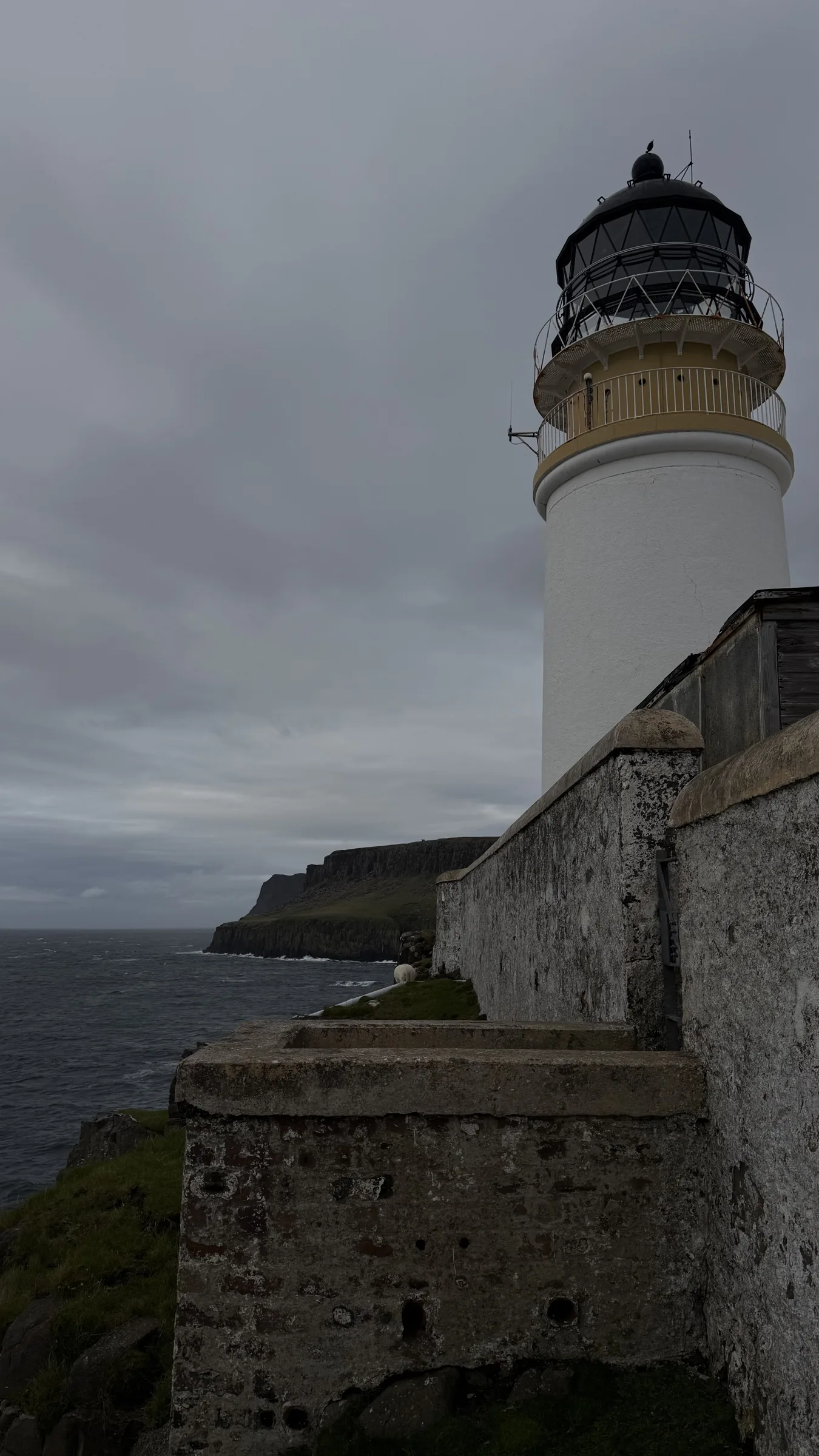
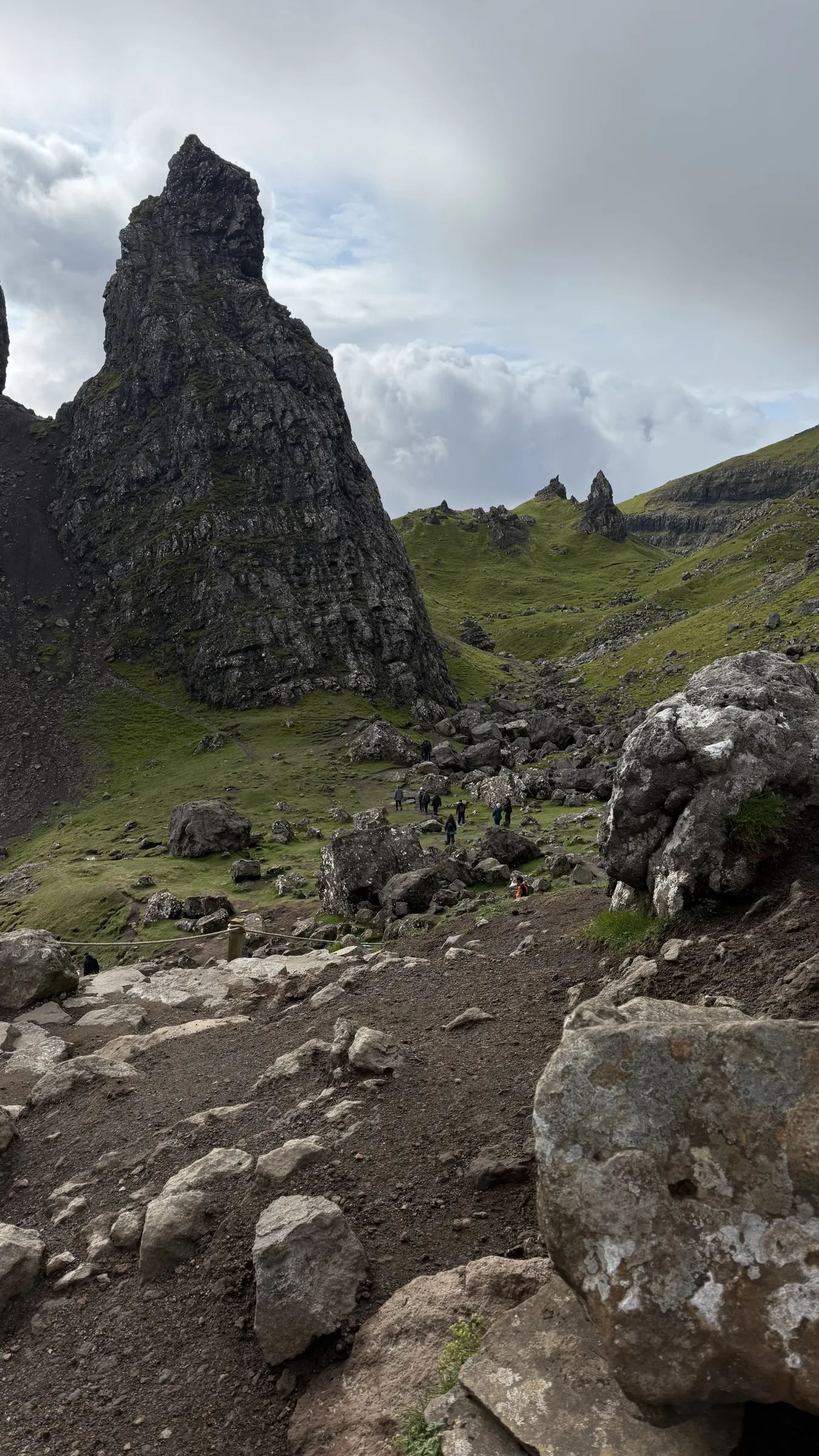
The Old Man of Storr: plan for the path
The rock formations are the attraction; the path determines the day.
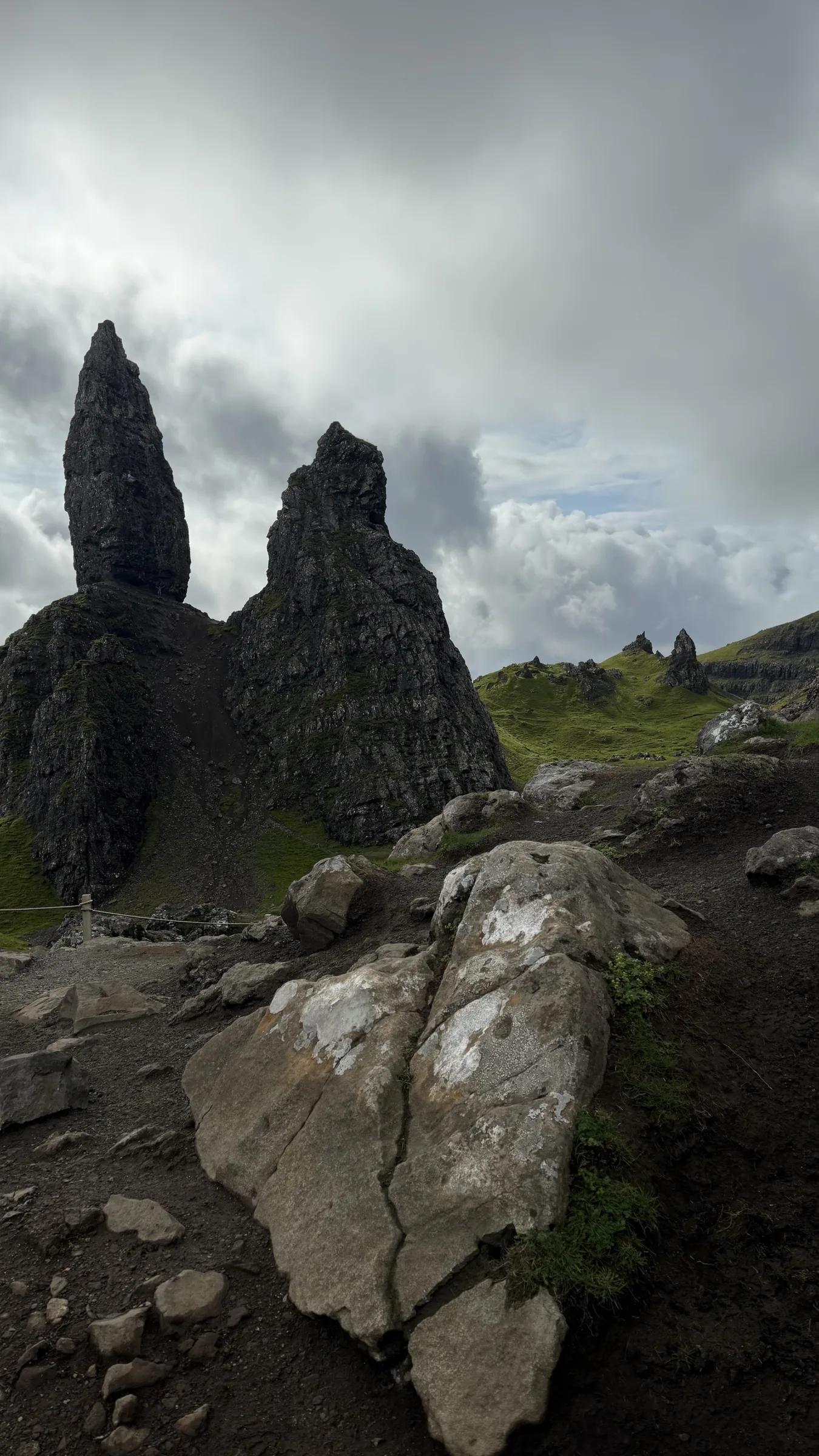
The archive photographs of the Storr show more than the pinnacles. Rough stone, muddy-looking ground and low cloud occupy much of each frame. That is useful information for planning a visit. Treat the walk as a hill outing with time to assess the weather and your footing, rather than a quick roadside photograph.
Leave room for your own pace
The official Storr visitor guide recommends allowing at least two hours for the walk up and back, while recognising that some visitors take longer. Use that as planning context, not a target to beat. Photo stops, pauses and the conditions underfoot can change the time you need.
Give the outing a generous part of the day instead of slotting it between distant bookings. If someone in the group finds the climb slower than expected, the route should still have room for a comfortable return. Agree a turnaround point before the desire to reach the next view takes over.
Read the weather before the image
Check an up-to-date forecast before travelling and again before setting out. Wind, visibility and rain affect the experience more than the colour of the sky in a photograph. The official guide recommends supportive footwear, waterproof clothing and extra layers for the steep, exposed route.
Keep the spare layer where you can reach it without unpacking the whole bag. Carry water and enough food for the outing you have planned. If the conditions exceed your experience or equipment, choose a different activity and return another day. The formations will not disappear because the itinerary changes.
Use the route and leave its edges alone
Follow the paths and local directions. The ground beside a path can look like an easy shortcut, but repeated footsteps widen damage and may lead you onto a less stable surface. Take pauses where there is space for other walkers to pass without stepping off the route.
The Storr guide asks visitors to close gates and take litter away. Make that part of the walk’s ordinary routine. Keep wrappers secure when opening the bag in wind and check the ground before leaving a rest spot.
Photograph from a settled position
The archive image places a large pale rock in the foreground, with darker pinnacles above. It gives the scene depth without requiring a person to stand on an exposed edge. Look for that kind of safe foreground: a bend in the path or stone visible from where you can remain stable.
Stop walking before looking through the camera. On the descent, pay attention to foot placement instead of reviewing photographs. The same ground can feel different going down, especially once you are tired, and the final stretch needs as much care as the climb.
Arrange the return before arriving
For public transport, check current services in both directions and allow enough time for the walk. Do not assume a bus that reaches the site provides a convenient return at the hour you want. The official Storr page links travellers to current timetable information.
Drivers should use designated parking and follow the site’s advice if spaces are full. Keep a shorter alternative in reserve rather than improvising on a verge. A visit that begins with a sensible arrival and ends without a rush gives you more attention for the rock shapes and the changing view.
Sources & visitor information
Destination information checked on 4 October 2026. Use the linked venue or authority for current access and booking details.
← More from the journal