Plan a slower travel day without leaving it vague
A little structure creates the room to linger.
A slower day needs enough planning to remove repeated decisions. Choose a small area and one main activity, settle the arrival and return, then leave the middle flexible. The result can feel spontaneous because the parts that would otherwise interrupt it have already been worked out.
Choose one centre for the day
Name the main reason you are going: a village walk, a garden, a museum or a stretch of coast. Give it the largest block of time. Other stops should support that centre rather than compete with it. If a second attraction needs its own booking, long journey and queue, consider giving it a separate day.
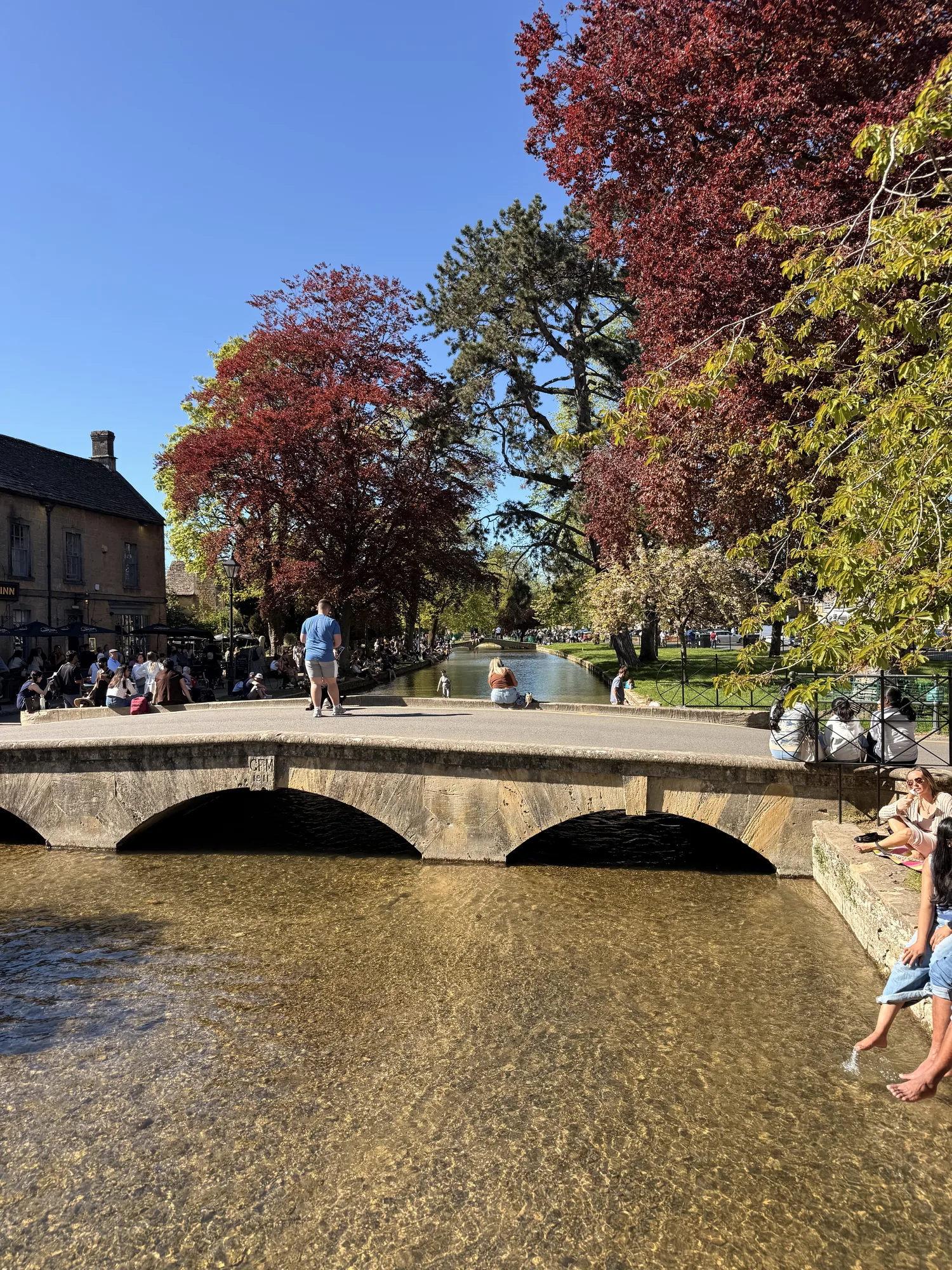
The Bourton-on-the-Water cover shows a small bridge and the river through the village. A day centred there can include a walk, a meal and another look at the water. It does not need a long list of Cotswolds arrivals to justify the journey. The centre gives you a useful way to decide what to add and what to leave out.
Settle the transitions
Check how you will reach the place, what happens after the train or car arrives, and how you will leave. Include the walk from a station, parking arrangements and any entrance process. These are often the moments that make a supposedly relaxed day feel hurried.
Keep the return practical without making it the day’s constant deadline. Leave a margin before the final service or closing time. If you plan a linear walk, understand how it connects to your transport. If the route is circular, confirm the actual return rather than assuming any nearby road will bring you back comfortably.
Leave a useful gap
Place an uncommitted interval after the main activity or meal. It can become a second look at a view, browsing in a shop or sitting somewhere pleasant. It can also absorb a delayed entry or a rain shower. The gap is part of the plan, so do not immediately fill it when you notice it on the calendar.
Have one nearby alternative for conditions that make the original plan unsuitable. Choose something you would willingly do and save its basic visitor information. A prepared alternative is easier to use than a list of ten options that you must compare on a pavement with a low phone battery.
Give attention a place in the route
Walk at a pace that lets you notice the smaller changes. Stop safely when the light, sound or view makes you want to look. Take a photograph if it adds something to the day, then put the camera away. A slower outing is not measured by the number of long pauses; it is helped by having fewer places that demand your next departure.
Pack the ordinary things that let you remain comfortable: suitable shoes, water and a layer. Choose meals around your needs rather than a distant recommendation that complicates the map. At the end of the day, look at what made you want to linger. That observation can guide the next plan more usefully than a tally of attractions completed.
A few useful answers
Does slow travel mean avoiding bookings?
No. A useful booking can anchor the day. Keep the remaining plan compact enough that one delay does not disrupt several later commitments.
How many stops should I plan?
Start with one main activity and nearby supporting stops. Add another only when the route and available time still leave room to enjoy them.
← More from the journal