Choose a travel gallery that gives each photograph a job
A smaller sequence can show more of a trip when the pictures do different things.
Selecting a gallery is different from deciding which individual photographs look nicest. The images need to work together. Choose a clear opening, vary the scale and let each frame add something the previous one did not. A gallery can be short and still make a place understandable.
Begin with the place
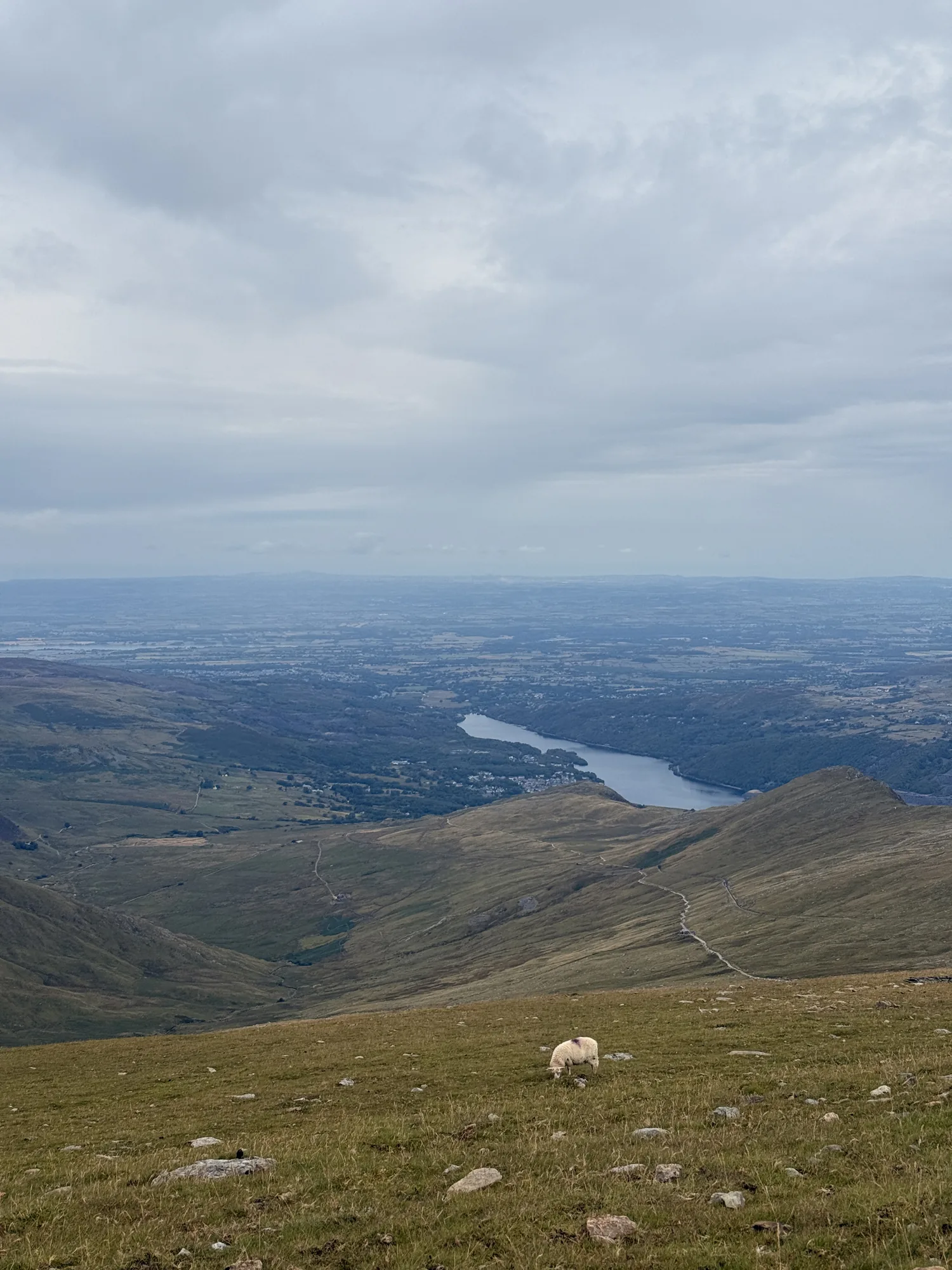
Pick an opening image that establishes the setting. It should give the reader enough context to understand the details that follow. For an Eryri gallery, a broad valley or lake view can do that work more clearly than a close photograph of a boot, a leaf or a café cup.
The cover’s distant valleys and water provide a wide starting point. A caption can describe those visible elements without claiming an exact summit or route. Use precise locations only when you have verified them. The opening frame is a promise about the gallery’s subject, so make sure the remaining pictures belong to that place or clearly explain a change.
Choose pictures with different roles
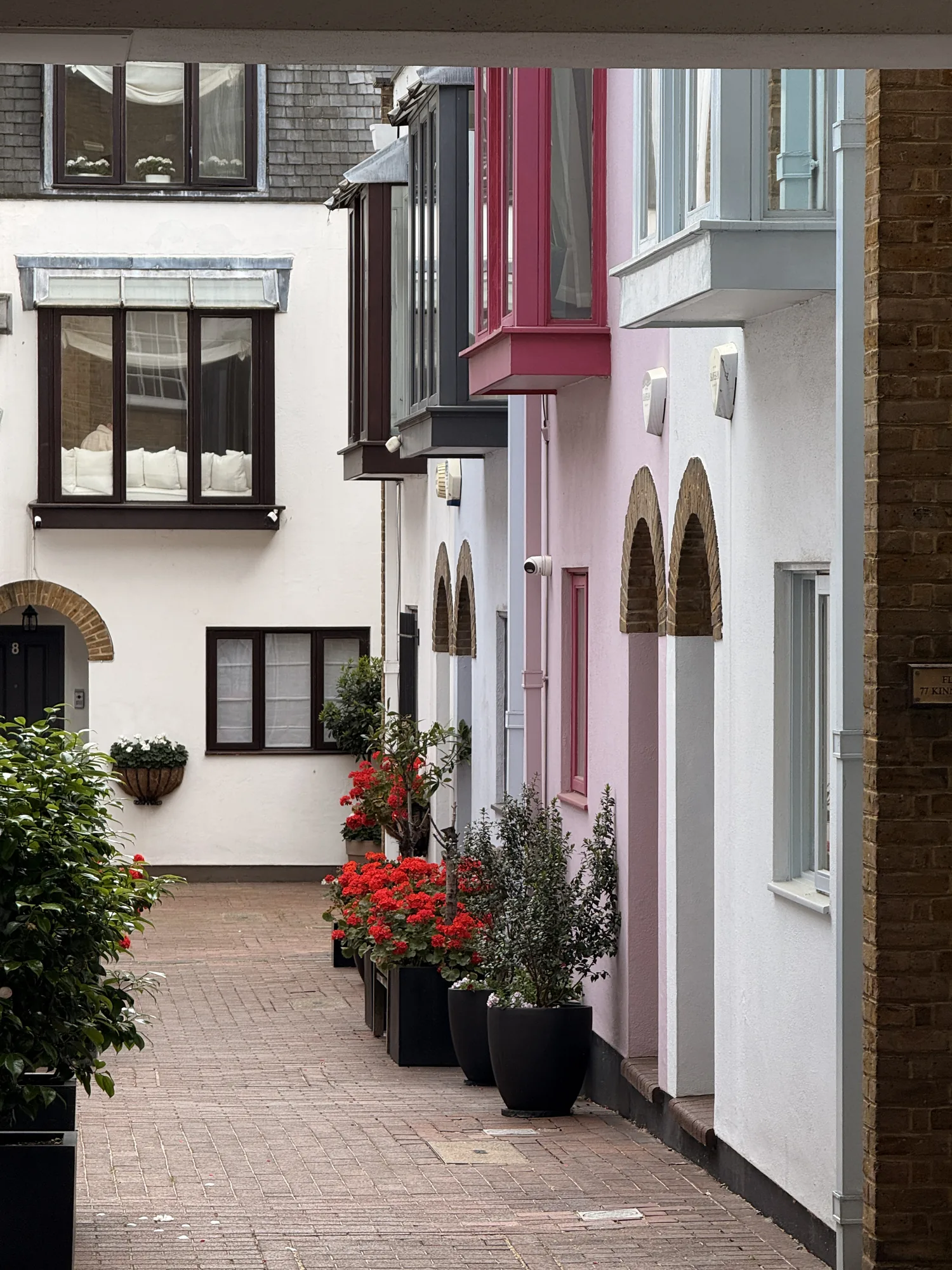
Follow the setting with a closer view of the main subject, then a detail that carries a texture, colour or small observation. A photograph of ordinary movement can add another rhythm if it was made considerately and is appropriate to share. The sequence needs variation in what it shows, not just alternating portrait and landscape shapes.
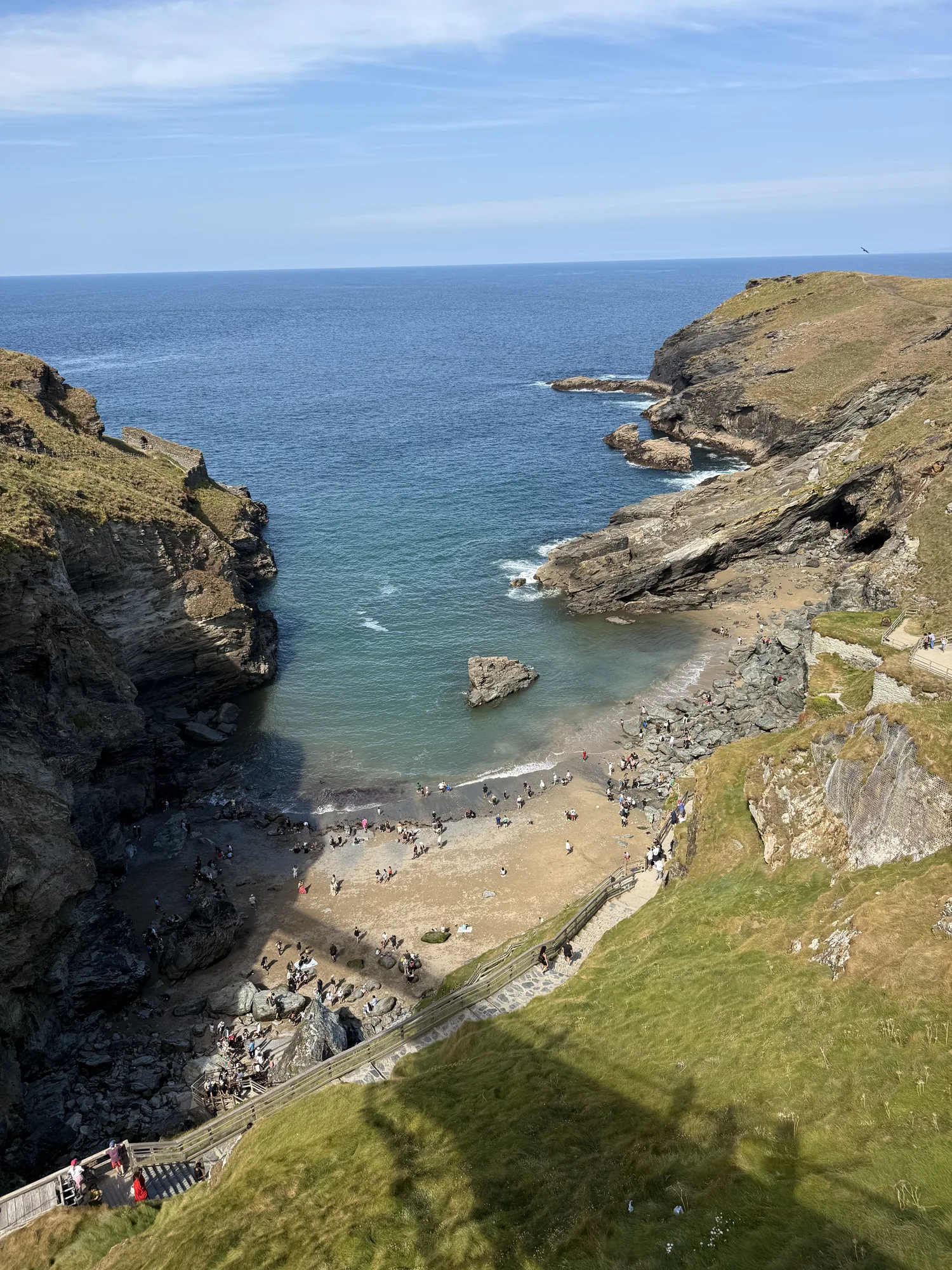
Compare neighbouring frames for repetition. Two images of the same cove may both be strong, but one should earn its place through a change of light, scale or subject. If the difference requires a lengthy explanation, keep the clearer frame. A useful gallery lets the reader notice the variation without being told that it exists.
Let the quiet images stay
A less dramatic image can provide a pause between broad views. A doorway, a path or reflected light may explain how the place felt at ground level. Keep it when it contributes a specific observation; remove it when it is only a generic travel object that could belong anywhere.
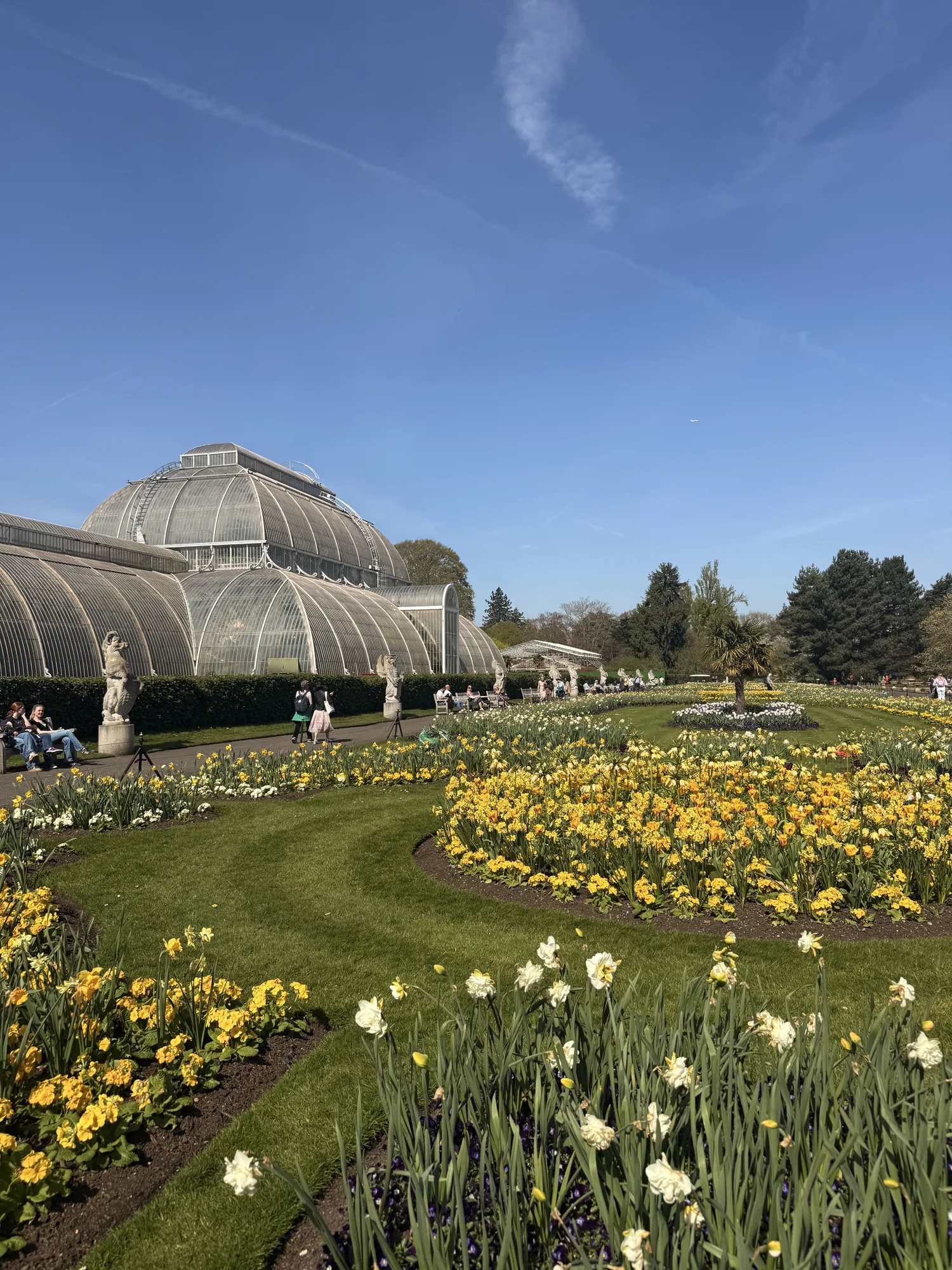
Do not edit every photograph until its colours match exactly. A coherent gallery can contain sun, cloud and shade while retaining a consistent level of care. Adjust distracting brightness or colour shifts where needed, then compare the set again. The aim is clear viewing, while the differences in the day’s light remain legible.
Write captions after selecting
Give each caption a job too. Name the location when verified, describe a useful visible detail and add context only where it helps. Avoid repeating the title beneath every frame or claiming feelings, times and activities that the photograph cannot establish. Keep private details out of public captions unless they are necessary and appropriate to share.
Finally, view the gallery in its intended order on the screen where it will be read. Check that images are clear, the crop preserves the subject and no caption refers to a discarded frame. End with a photograph that feels like a natural stopping point, rather than adding another view because it was left over. The photographs outside the gallery remain in the archive; selection gives the published set its shape.
A few useful answers
How many pictures should a travel gallery contain?
Use enough to explain the place and the chosen story, then remove frames that repeat the same job. There is no single required number.
Should every picture use the same colour edit?
Keep the set readable and considered, while allowing the different light in each scene to remain visible.
← More from the journal