Louvre, Orsay or Orangerie: choose your Paris art day
A broad collection, nineteenth-century art or Monet’s painted rooms.
Choose the Paris museum by the art you want to spend time with, then check its calendar. The Louvre suits a visit built around a selected trail or collection area. Orsay puts nineteenth-century art in a former railway station. The Orangerie offers Monet’s Water Lilies in rooms designed around the paintings, with another collection to explore below. Here is how to give one of them a useful place in a short trip.
The Louvre: choose a route within the collection
The Louvre’s official visitor trails are organised by interest and available time. That is a more useful starting point than attempting the whole museum. The site includes a masterpieces trail and a Richelieu-wing trail; inspect the current route and choose the one that matches what you want to see.
Pick a few works or spaces that matter to you and locate them on the current museum map. Room closures, loans and conservation can affect what is displayed. Have an alternative in the same part of the collection rather than making the day depend on a single room being available.
The Louvre is the choice I would investigate for someone excited by a broad museum visit with several kinds of objects and historical settings. Give it a substantial part of the day. If your interest is mainly a particular artist or period covered elsewhere, compare the smaller decision below before buying.
Orsay: choose it for nineteenth-century art
The museum describes its collections through the period from 1848 to 1914, including Impressionist and Post-Impressionist painting among a wider range of work. The building was a railway station before becoming the museum. That setting gives the visit an architectural subject alongside the art.
Use the current collection map to choose where to begin. Allow time for paintings, sculpture or decorative arts according to your interests rather than following a route simply because it reaches a familiar photo position. If there is a temporary exhibition you want to see, check its admission arrangements with the ticket.
Orsay is a useful starting choice when nineteenth-century painting is the main reason for your Paris art day. You can spend the visit within that period and still have an afternoon outside. The length of the visit should follow your attention, not a target borrowed from someone else’s itinerary.
Orangerie: choose it for the Water Lilies rooms
Monet’s large Water Lilies compositions are installed across two elliptical rooms at the Orangerie. The paintings and the room arrangement belong to the experience together. Give yourself time to sit and look, rather than passing through only to record a photograph.
The museum also holds the Walter–Guillaume collection, so this choice can extend beyond the Monet rooms. Check the current displays and exhibition programme before deciding how much time to reserve. A focused visit here can sit naturally beside a Tuileries or central-river walk.
I would begin with the Orangerie when the Water Lilies are the specific reason you want an art visit. The decision is about that interest, not a guarantee that the rooms will be quiet. Follow the museum’s guidance for the atmosphere and behaviour inside.
The closed day can decide the order
The current visiting pages list Tuesday closure for the Louvre and Orangerie, and Monday closure for Orsay. Check holiday exceptions and any special notices as well. On a short trip, put the museum on a date it can accommodate before arranging the outdoor days around it.
The Orangerie recommends a timed reservation, including for free-admission visitors. The Louvre also recommends a slot. For Orsay, use its current official ticketing page to select the admission that applies to your visit. Eligibility, supporting documents and exhibition terms should be checked at purchase.
If you want two museums
Place them on different days if your time allows. Pair the Louvre with Orsay when you want a broader change of collections; pair Orsay with the Orangerie when those paintings are the main focus of the trip. Let one visit finish before fixing another nearby appointment.
If both must fit into the same day, choose short, specific routes and leave time for a meal and the transfer between entrances. Proximity on the map does not remove queues, bag checks or the need to stop looking at art for a while.
Give the museum day a simple ending
The three-day Paris plan places one museum at the centre of the second day. After the visit, choose a nearby walk or a meal before travelling elsewhere. The river-and-tower article is a separate outdoor outing.
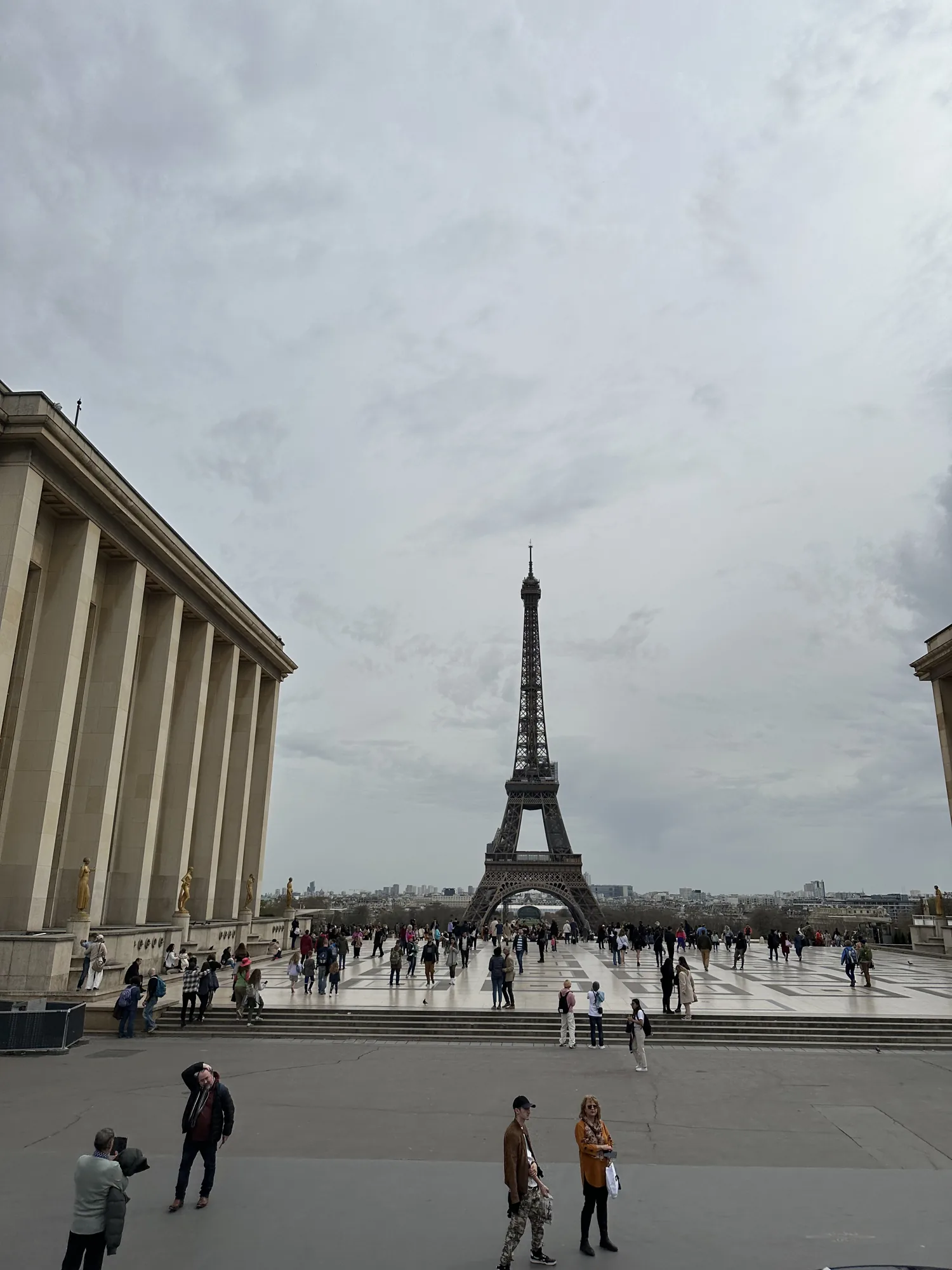
The cover photograph is the Eiffel Tower from Trocadéro, part of my Paris archive. It is city context for this researched comparison. For interior layouts and the collections you will actually encounter, use the museum maps linked through the official visitor pages.
Sources & visitor information
Destination information checked on 4 October 2026. Use the linked venue or authority for current access and booking details.
- Louvre visitor trails ↗
- Louvre opening and admission ↗
- Orsay painting collections ↗
- Orsay museum history ↗
- Orsay visiting information ↗
- Orangerie: Water Lilies ↗
- Orangerie permanent collection ↗
- Orangerie admission and calendar ↗