Three days in Paris: a river day, an art day and room to wander
Give the museum a date. Let the walks fit around it.
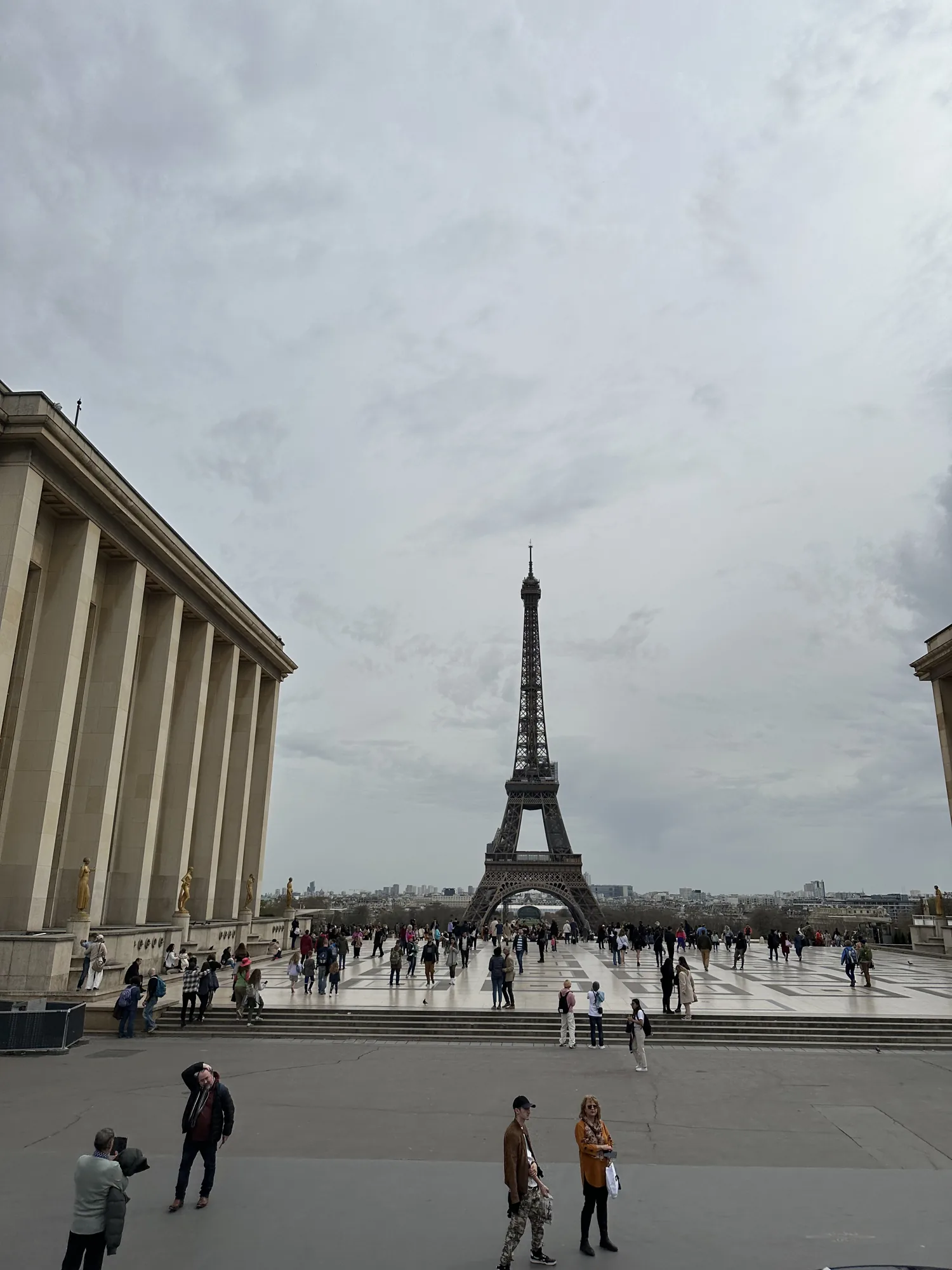
A first Paris trip can fill up with bookings before you have chosen a street to walk. For three full days, I would set aside one for the western riverfront and Eiffel Tower area, one for a selected art museum and one for a neighbourhood you want time to explore. This is a suggested framework with photographs from my city archive; move the days to fit actual ticket availability.
Make two decisions before drawing the route
Decide whether you want to go up the Eiffel Tower and which art museum you most want to enter. Book the visits that matter, then organise the walks nearby. If the view from outside is enough, the tower-area outing can remain flexible.
Choose between the Louvre, Musée d’Orsay and Musée de l’Orangerie using the museum comparison. They offer different collections and have different closed days. Putting all three into one short trip can leave surprisingly little time for the streets between them.
Day 1: the Eiffel Tower area and the Seine
Use the tower-or-river guide for this day’s main choice. The archive cover was taken from Trocadéro; it shows a broad view of the tower on a cloudy day. You can make an outdoor visit around that setting without promising yourself a particular sky or empty foreground.
For an ascent, read the floor and access option before paying. A ticket for the second floor differs from one for the top, and stairs and lift options affect the visit. The official tower guidance also explains where you should be at the time printed on the ticket, so leave room for the approach and entry checks.
Afterwards, give a section of the Seine your remaining walking time. Choose an endpoint that makes dinner and the journey back straightforward. If the ascent occupied more of the day than expected, shorten the river walk instead of trying to recover every planned stop.
Day 2: one art museum with a nearby afternoon
For the Louvre, choose a visitor trail or a few collection areas before arriving. For Orsay, let the nineteenth-century collections and former station building be the main visit. For the Orangerie, begin with Monet’s Water Lilies and decide how much of the other collection you want to add.
Build the afternoon around the area you emerge into. A museum near the central Seine works well with a meal and a nearby garden or river walk. Resist placing another timed attraction immediately after the last gallery; the first visit may be the part you want to extend.
Check the date carefully: the Louvre and Orangerie list Tuesday closures, while Orsay lists Monday. Holidays and exceptional notices can change the practical plan. Treat the museum’s own calendar as the authority for your booking, then swap this day with the outdoor one if needed.
Day 3: choose one neighbourhood interest
Use this day for the kind of Paris you have had least time for. That might mean a morning around Saint-Germain with a garden pause, a small set of streets near your accommodation, or another collection you specifically want to see. Keep the choice within one manageable area.
If you already know the museum you want to return to, give it the day. A second visit can be more useful than travelling to an attraction that matters less to you. If this is also departure day, reduce the plan to breakfast and a local walk with time to collect luggage.
Choose accommodation for the daily connection
Compare an actual address with the places in your plan and the nearest useful transport stop. A central-looking hotel pin still needs a walking route, an entrance and a return after dinner. Ask about steps, lifts and room noise when they matter to your stay.
For tickets and travel products, use Île-de-France Mobilités’ current fare guide. It distinguishes Metro–Train–RER, Bus–Tram and airport products. Check the journeys you actually need rather than assuming one single ticket covers every part of arrival and city travel.
What to leave flexible
Leave lunches, photo pauses and the last part of each afternoon with room to change. Museum fatigue and walking distance can matter more than the number of attractions marked on a map. Keep one or two possible stops saved nearby, without making every one an appointment.
Before travelling, save the booked ticket, the required entrance and the return route for each fixed visit. The trip then has two firm centres and a third day to make your own. That is enough structure to begin exploring Paris without spending the whole visit managing a timetable.
Sources & visitor information
Destination information checked on 4 October 2026. Use the linked venue or authority for current access and booking details.
- Eiffel Tower: visit preparation ↗
- Louvre: hours and admission ↗
- Musée d’Orsay: current visiting hours ↗
- Musée de l’Orangerie: admission and opening times ↗
- Paris-region transport tickets ↗