Lumbarda and Grk: plan a tasting with a village walk
Choose one tasting and leave time for the place around it.
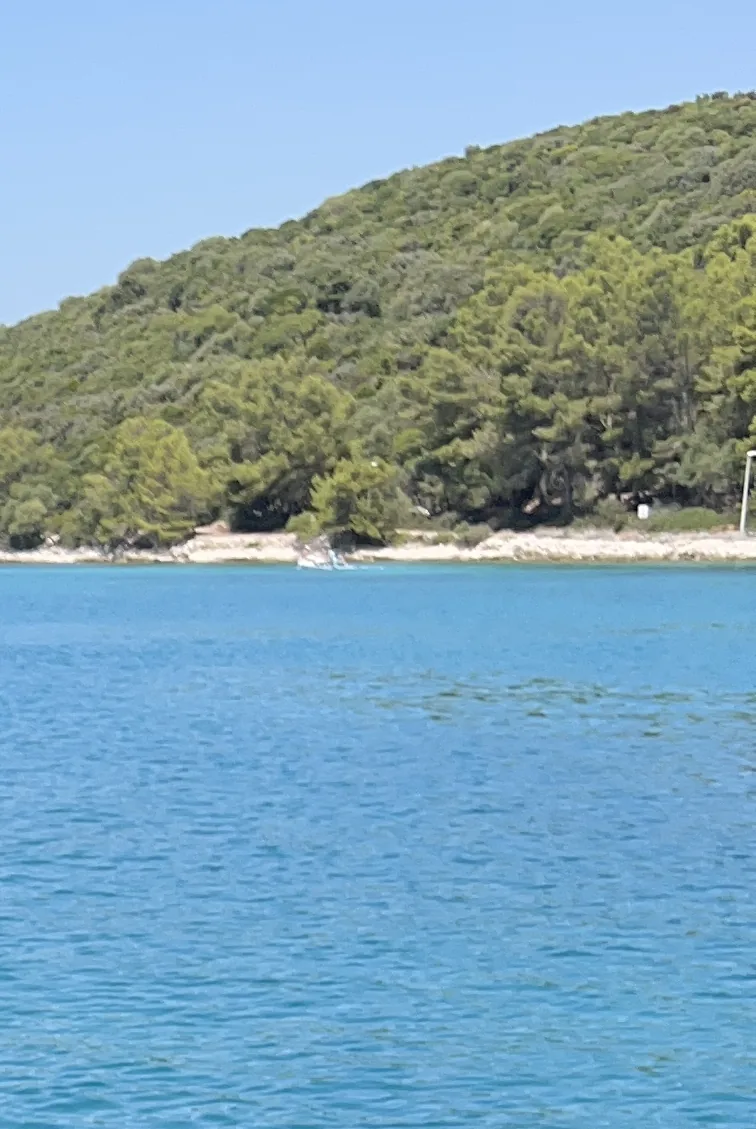
A Lumbarda wine afternoon works best with one confirmed tasting and time left around it. Grk gives the visit a local focus, but the useful experience comes from understanding what the producer will offer and how the stop fits into the village day. Plan the return before the first glass, then give the conversation enough room.
Start with the grape and the place
The Lumbarda Tourist Board describes Grk as an indigenous grape grown in the village’s sandy vineyards. Use that connection as the first question at a tasting: what does this producer want you to understand about its vines and wines? You do not need a prepared technical vocabulary to ask about the place.
Keep the question open. A producer may explain the growing year, a particular plot or a decision in the cellar. Write down the bottle name and the point you found useful. That is more memorable than trying to repeat every tasting term you hear.
Confirm what the visit includes
Contact a producer directly or use a clearly described tour before travelling. Ask whether a reservation is required, which wines are included and whether food is part of the visit. Check the language and expected duration if those matter to the group.
A place selling wine does not automatically provide a structured tasting at the time you arrive. Confirmation avoids a long walk to a closed door or a visit that is much shorter than expected. It also lets you arrange lunch appropriately instead of assuming small food accompaniments will replace a meal.
Put the walk on the right side of the booking
Choose a short village walk before the tasting if you want to see the surroundings while fresh and attentive. Keep to public routes and respect working vineyards; an attractive row of vines is not permission to enter the field. Ask locally about a suitable walking route if you want more detail.
Allow a margin before the appointment. The walk should add context rather than make you late. In hot conditions, shorten it and arrive with time to cool down. Take water and footwear suited to the surface you will use.
Taste at your own pace
Ask for the amount and pace that suit you. You can listen, smell and taste without feeling obliged to finish every pour. If a particular wine interests you, ask a second question about it rather than moving immediately to the next glass.
Compare your notes with a companion after listening to the producer. Different descriptions can be useful when they are tied to what you tasted, and there is no need to invent agreement. Avoid turning a single afternoon into a claim that every wine from the village has the same character.
Leave buying and transport uncomplicated
If you want to buy a bottle, ask how to carry it and whether it can be packed for your onward journey. Check the luggage rules of the service you will use before buying more than you can manage comfortably. A bottle is less useful as a souvenir if carrying it makes the rest of the trip awkward.
Arrange a sober driver, a current bus connection or another confirmed return. Keep the pickup point and accommodation address clear. End with an easy meal or rest rather than a second distant tasting, allowing the first visit to remain the afternoon’s focus.
Sources & visitor information
Destination information checked on 4 October 2026. Use the linked venue or authority for current access and booking details.
← More from the journal