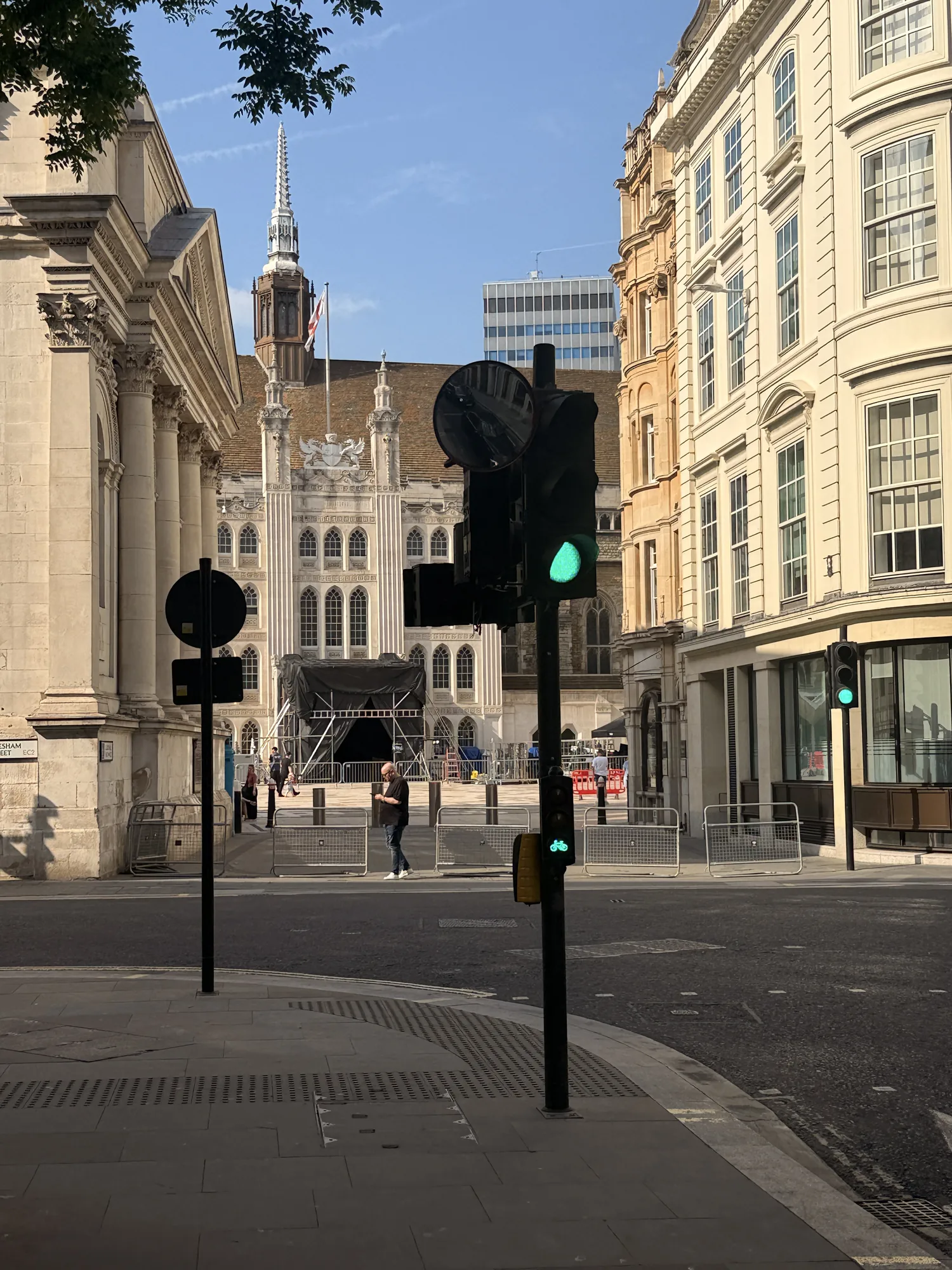
Two days in London, organised by neighbourhood
Keep the map compact and let each day have a different rhythm.
Two days in London are enough for a satisfying first introduction if the itinerary respects the map. Group places that belong together, book only the visits that matter to you, and leave space for ordinary streets. A river day followed by a neighbourhood day gives the trip variety without constant travel.
Give the first day to the Thames
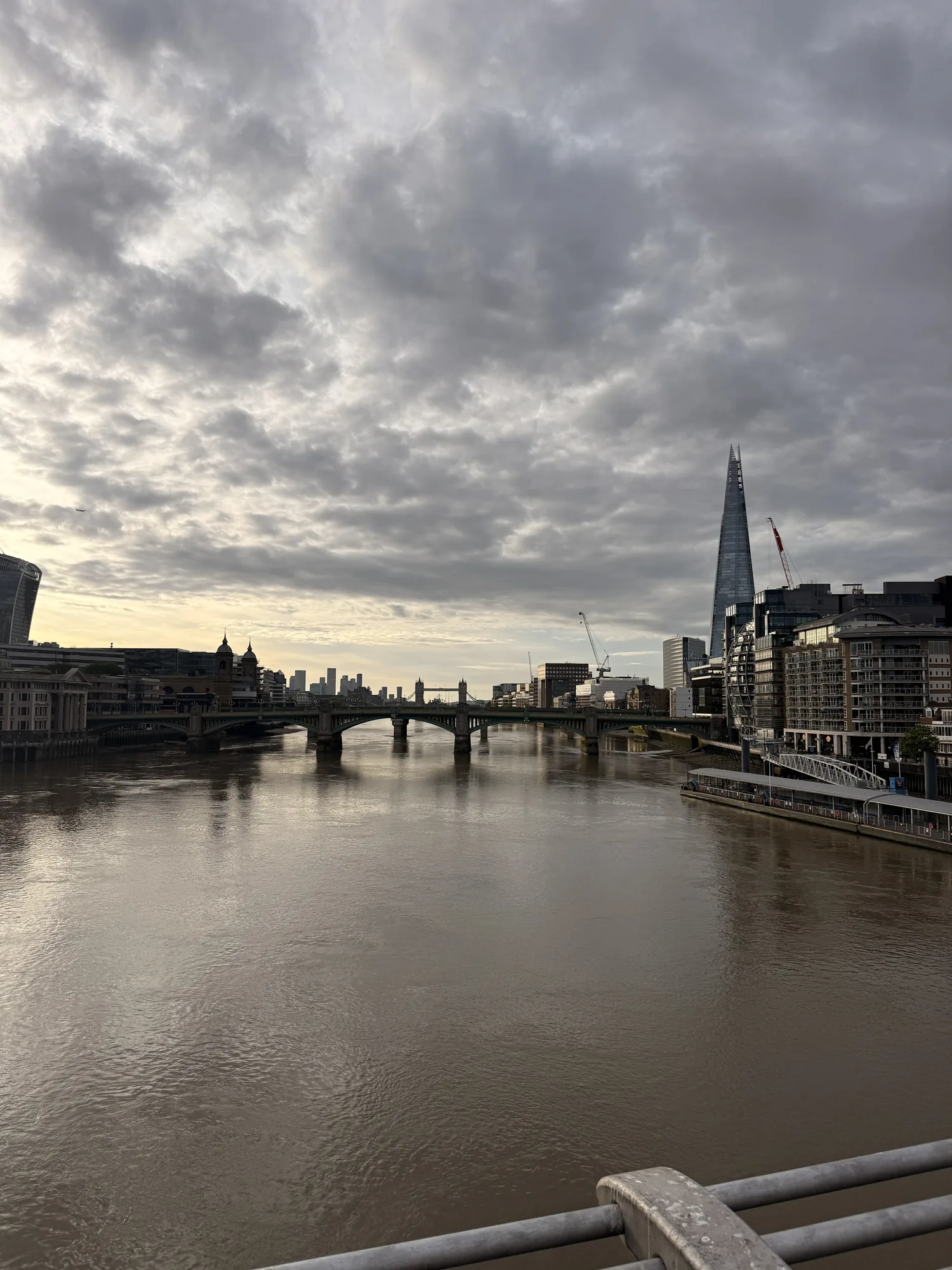
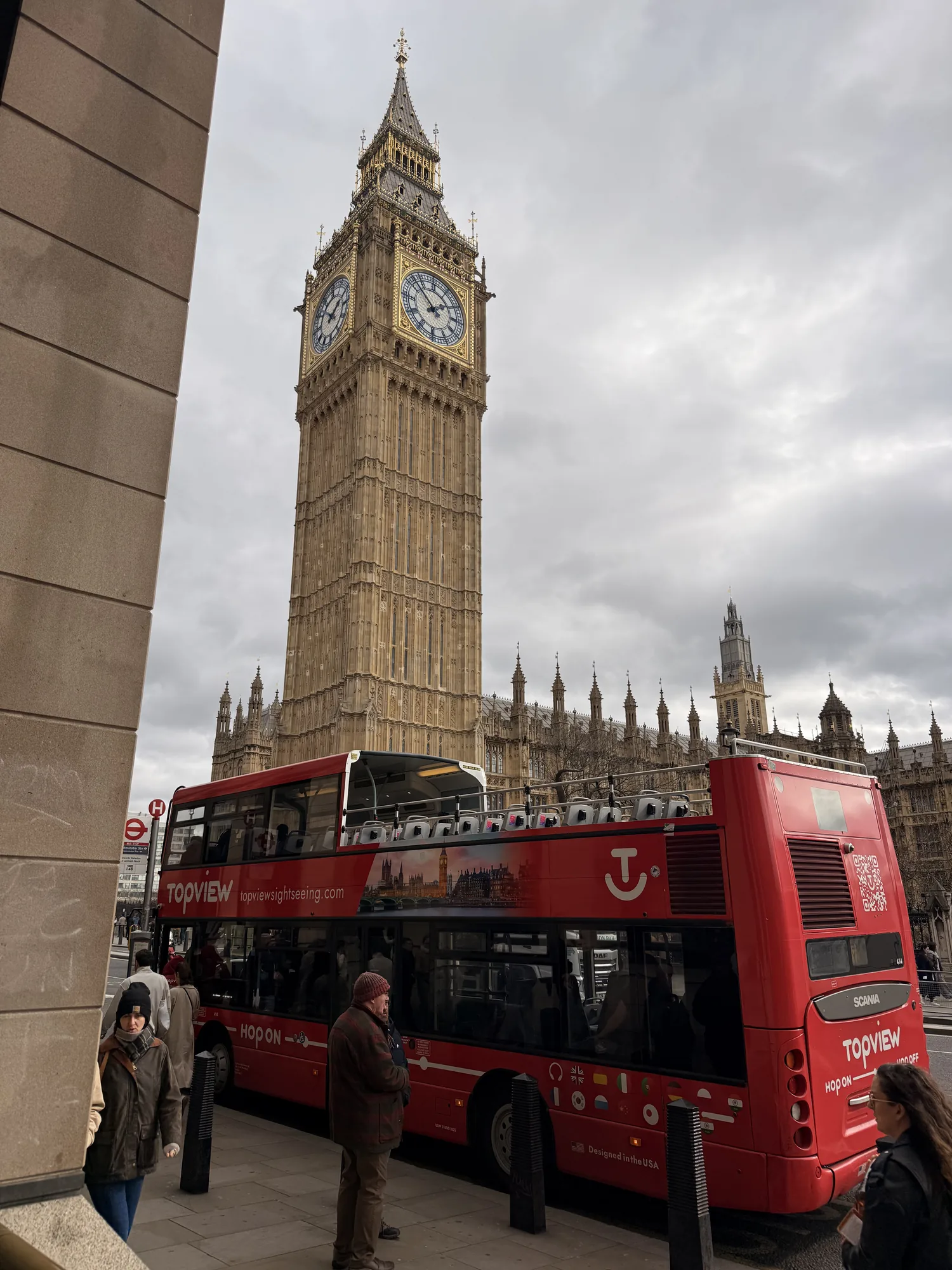
Use Westminster and the South Bank as the spine of day one. Start with the exterior views around Westminster Bridge, then walk on the south side of the river towards the arts venues around Waterloo. The Thames offers a clear direction, and the skyline changes enough to keep a short route from feeling repetitive.
Choose one paid attraction if you want it: a ride, an interior visit or an evening performance. Put its reservation into the plan first and leave a buffer around it. Lunch should sit where it gives your feet a break, not where it completes a famous-food checklist. Continue towards Blackfriars if everyone is comfortable; turn a longer walk into an optional extension rather than a requirement.
Let the second day reflect your interests
Choose one area for day two. Greenwich gives you a waterfront and park with a hill; South Kensington makes sense for a museum-led day; the City and the eastern river suit architecture and bridges. Pick the option that offers a clear change from your first afternoon, then spend most of the day there.
You can add a nearby street or small gallery without stretching the plan across London. What makes a short trip memorable is often the unscheduled interval: a seat by the river, a bookshop window, or a side street with an unexpected church tower. Leave those intervals available. A timetable filled to the quarter-hour leaves you little ability to follow anything that catches your eye.
Use transport to support the walk
Plan the route from your accommodation before travelling, using TfL’s current journey information. Station names alone do not describe the full journey: look at walking distance, changes and any accessibility needs. If you use Oyster or contactless, follow TfL’s touch-in and touch-out rules for the mode you take, and keep to the same payment card or device.
Choose a practical return route in advance, even if you do not use it. That lets you stop early when rain, fatigue or a delayed entry changes the afternoon. Build a little recovery time into each day. London pavements, stairs and museum floors add up, and a comfortable final hour is more useful than one extra landmark seen through tired eyes.
Keep reservations and packing modest
Carry a light outer layer, water and a charged phone, with the key booking confirmations saved offline. Bring the shoes you have already walked in. A smaller day bag is easier in museums, busy streets and train carriages than a bag packed for every possible event.
Read attraction entry conditions before booking and check for dated closures shortly before the trip. Reserve your priority first, then leave the rest loose enough to move. If day one turns wet, an indoor visit can take the longer slot and the river walk can shrink. Two well-shaped days do not need to prove you have completed London. They need to leave you with a clear sense of a few places and enough energy to enjoy them.
A few useful answers
How many attractions should I book for two London days?
One main booking per day is a manageable starting point. Add more only if they are close together and match your interests.
Is this route suitable for a first visit?
Yes. The first day uses the river for orientation, while the second can focus on the museum or neighbourhood that interests you most.
Sources & visitor information
Destination information checked on 4 October 2026. Use the linked venue or authority for current access and booking details.
← More from the journal