Planning a Cornwall cove day around the tide
A good beach plan begins with the way back, then leaves time to enjoy the sand.
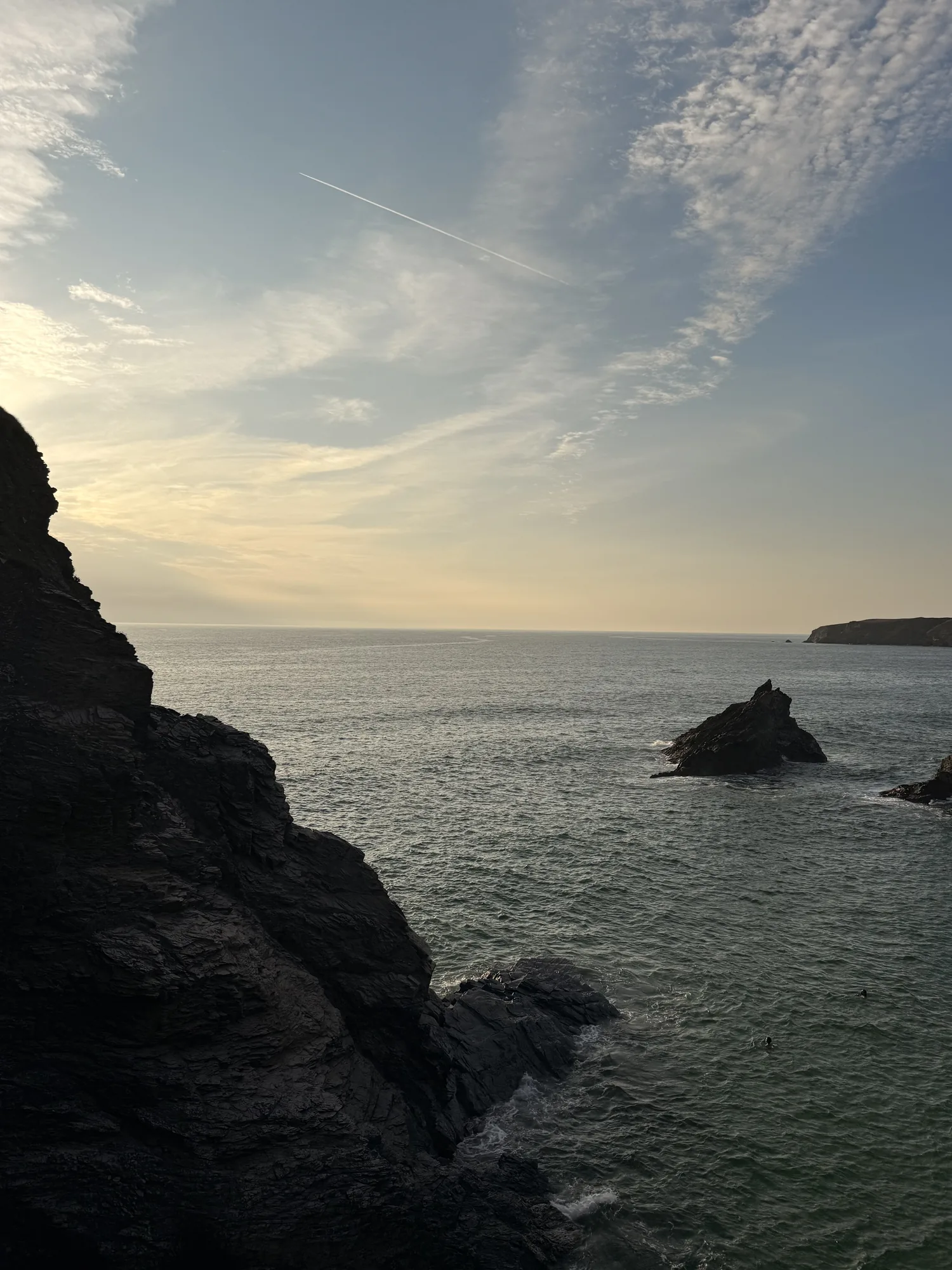
A small Cornish cove needs a different plan from a town beach. The approach may be steep, the sand may appear only at certain tides, and the exit can disappear from view when you walk around rocks. Check those details before choosing the day, then let the visit stay simple.
Choose the cove for the activity
Decide whether you want a coast walk, photographs, a picnic or time in the water. These are different reasons to visit. A cove that suits a short view from the path may be less suitable for a long beach afternoon, especially if reaching the shore uses steep steps or rough ground.
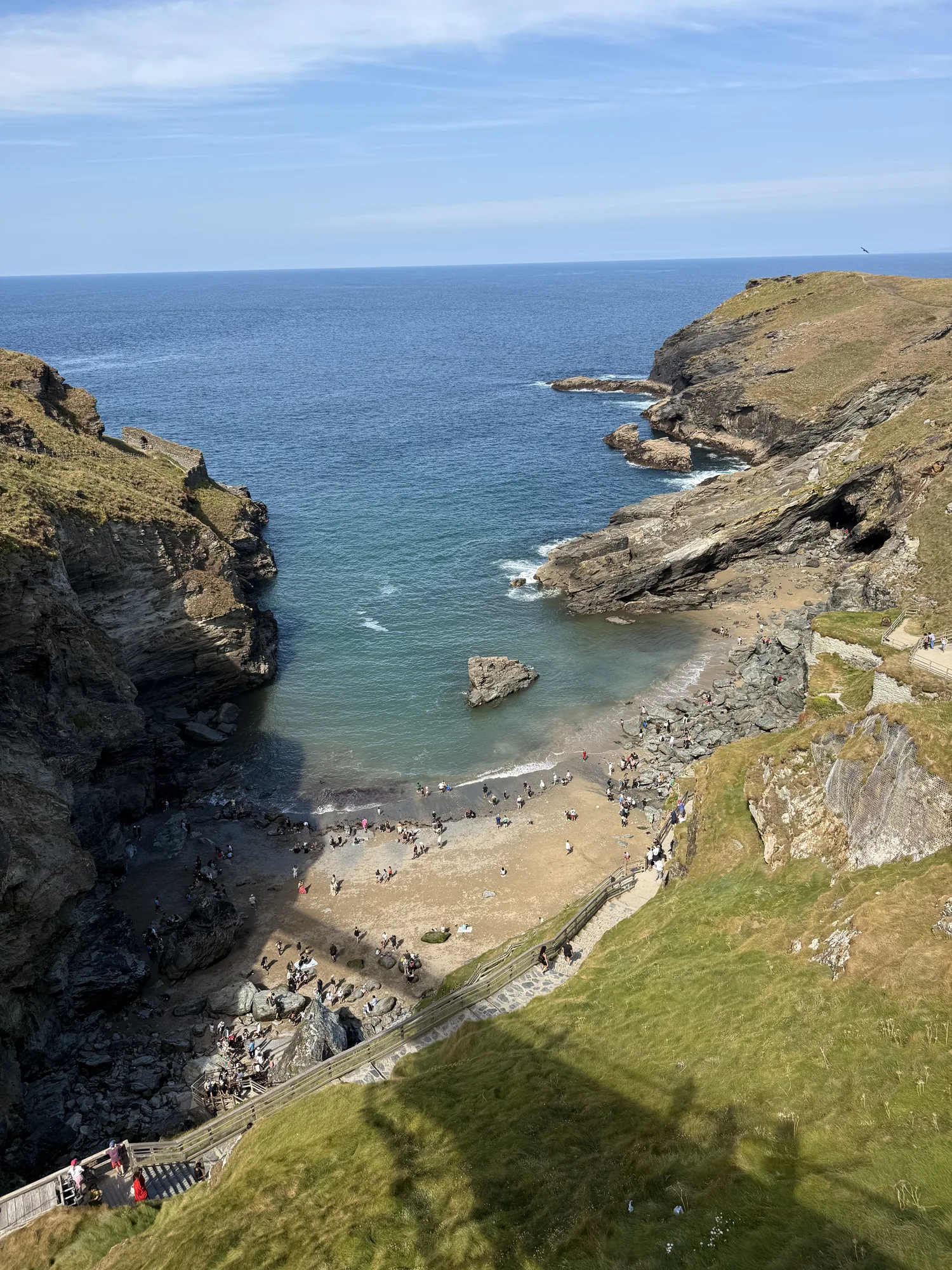
Use the site manager’s information to compare the access with your group. Read the map and visitor notices as well as looking at photographs. At Kynance Cove, the National Trust describes a tidal beach and warns about becoming cut off. Tintagel’s visitor guidance also makes tide-dependent beach and cave access clear. These details should shape the route before you decide where lunch will be.
Read the tide information for the right place
Check the relevant local tide information and understand both the high and low water times. Do not copy a low-tide time from another part of Cornwall without checking its relevance. A tide table supports the plan; it does not cancel out rough seas, wind or on-site restrictions.
Allow enough time for the walk down and the return uphill, with a clear exit that remains available throughout the visit. Keep that exit in view when exploring a shore. Avoid walking around a rock point simply because other people have gone ahead. If you are unsure how the water will affect the route, stay on the permitted upper paths and choose a different beach for the longer stop.
Pack for the walk as well as the beach
Walking shoes, water and a weather layer belong in the bag even when the beach photograph shows white sand and blue water. Carry only what you can manage on the return climb. A heavy picnic basket, multiple bags and loose footwear quickly make a short access path feel much longer.
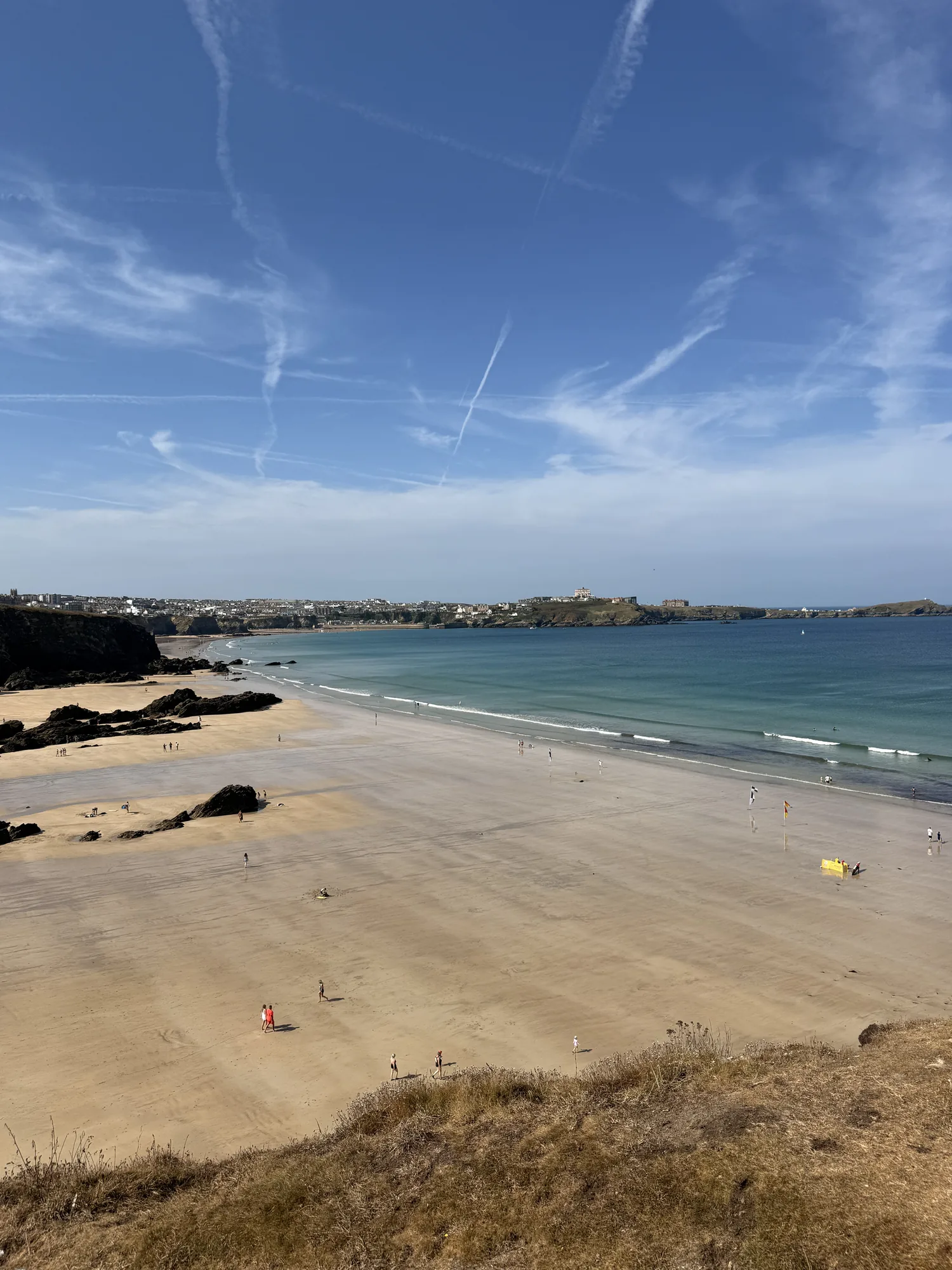
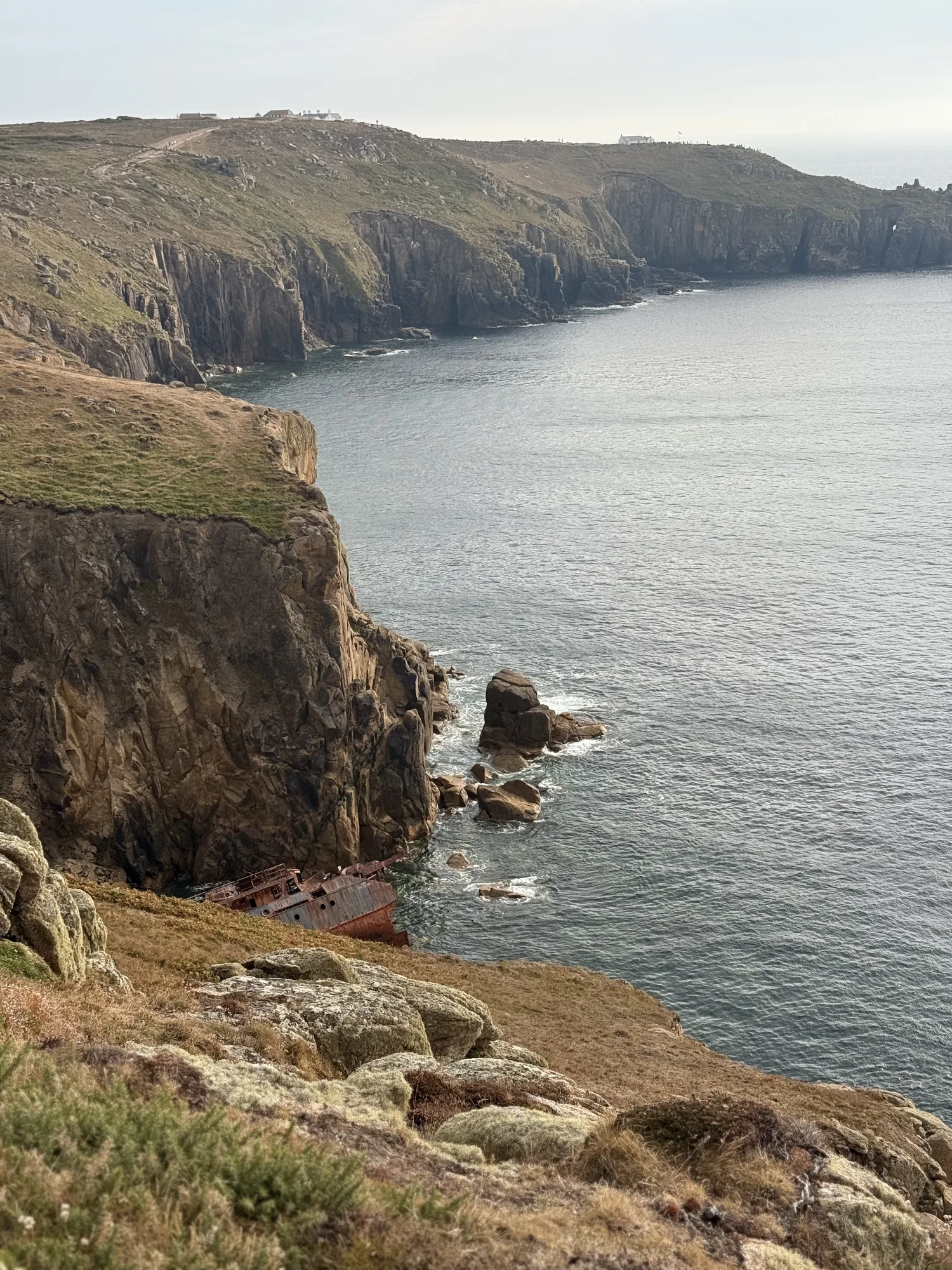
Protect the camera from sand and salt spray, and put it away when the surface needs your full attention. For photographs, start from a stable public viewpoint with space to stop. The shape of a cove often reads best from above, while a tighter shore frame can record water texture later. There is no need to reach every rock formation for the visit to produce a varied set.
Have a second plan that stays nearby
A full car park, closed steps or unsuitable conditions should send you to a prepared alternative rather than a risky shortcut. Choose a nearby village walk, a managed attraction or a wider beach before the trip. Check parking, access and any dog restrictions for that alternative too.
For swimming, look at current lifeguard information and follow the RNLI’s beach advice. Do not assume a beautiful cove has lifeguard cover; Kynance and Tintagel Haven do not. A day that remains on the coast path can still deliver the light, sound and scale you came for. The useful decision is the one made before you commit to a descent that you will later need to reverse.
A few useful answers
Is low tide enough to make a cove safe?
No. Check weather, sea conditions, the access route and local restrictions as well as the tide.
Should I carry walking shoes for a beach visit?
Yes, when the approach uses uneven coastal paths, steps or a steep climb. Match footwear to the access rather than only to the sand.
Sources & visitor information
Destination information checked on 4 October 2026. Use the linked venue or authority for current access and booking details.
← More from the journal