Blenheim Palace with time for the gardens and lake
The palace provides the scale; the garden paths give the day its pace.
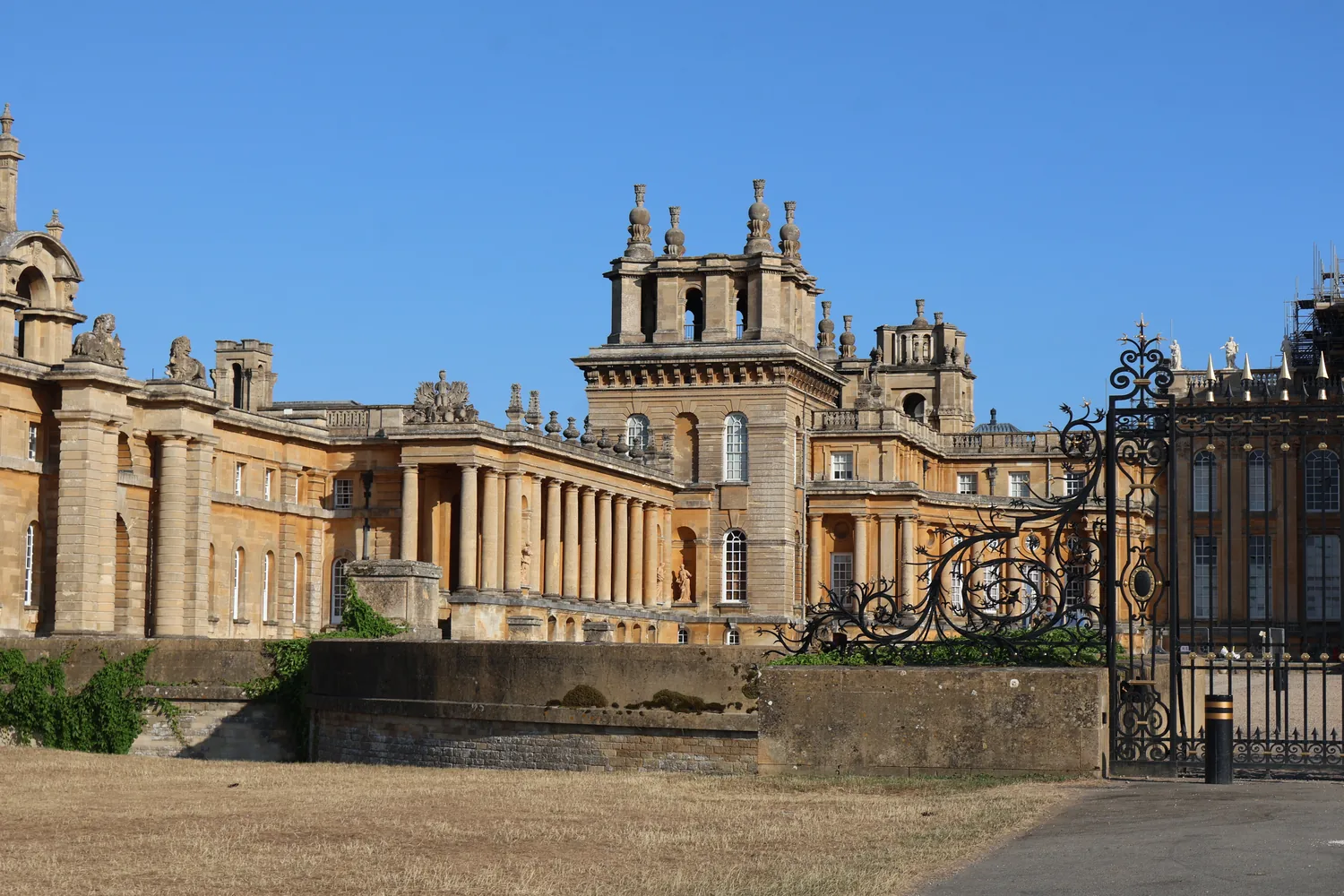
Blenheim Palace can fill a day before you have walked very far from the entrance. Decide which interiors matter, then protect time for the gardens or lake. The photographs of broad lawns, pale stone and water make sense of the estate’s scale, but enjoying that scale needs a plan with fewer competing stops. In the cover, the broad façade fills the view while open ground gives its pale stone room to stand out.
Choose the right kind of visit
Read the current ticket descriptions before buying. Palace access, gardens and extra experiences may have different arrangements, so compare what is included with what you actually want to see. A visitor who prefers outdoor walking needs a different plan from someone whose priority is the State Rooms.
Put any booked visit or tour into the day first, with an arrival margin. Leave the surrounding period flexible enough to enjoy the approach and courtyards rather than crossing them at a run. Check the official map for the walking connection between each area. A location that appears beside the palace in a photograph may still require more time on foot than expected.
Use one garden route as the centre
Blenheim publishes several recommended walks. Its Formal Gardens route is listed at about one and a half miles, while the shorter lake circuit has its own route and access considerations. Choose one as the main outdoor section and add more only when your group still has the energy.
The useful photograph changes along the route. Near the buildings, repeated windows and stone details can work better than trying to fit the entire façade into a frame. Further away, let grass or water occupy more space. The size of the palace becomes clearer when it has room around it, and a wide view can link the architecture to the grounds without an exaggerated lens.
Check the surface before extending the walk
Read the route’s accessibility notes alongside its distance. A short circuit is not automatically the easiest choice: gradients, uneven ground and the way back matter. Blenheim’s advice directs wheelchair and buggy users on the lake walk to return via the Rose Garden after the Cascade, rather than following the full circular route.
Use the signed accessible routes where appropriate and ask staff about changes on the day. Do not infer a suitable path from a photograph of an open lawn. For a longer park outing, bring footwear suited to uneven ground and enough water. A route through extensive parkland asks for more preparation than a brief look around the nearest formal garden.
Keep the afternoon from splitting apart
Plan a meal break before adding a distant part of the estate. If you are also interested in the Walled Garden or another attraction, check the map and decide which remaining visit matters most. Leave enough time to return comfortably to the entrance or transport connection.
Weather can guide the order: an indoor booking anchors a wet period, while a brighter interval suits the lake or the wider grounds. The garden photographs do not need uninterrupted sunshine. Soft cloud can hold detail in both pale stone and leaves, and water reflects a changing sky. Finish with a final broad view if the route allows it, then leave the rest for another visit. Blenheim is easier to enjoy when the day has a clear emphasis.
A few useful answers
Can I spend most of a Blenheim visit outdoors?
Yes, build the day around the gardens and a published walk, then choose a ticket that covers the areas you want to access.
Is the lake circuit suitable for everyone?
Check its current access notes. Blenheim recommends a different return via the Rose Garden for wheelchair and buggy users after the Cascade.
Sources & visitor information
Destination information checked on 4 October 2026. Use the linked venue or authority for current access and booking details.
← More from the journal