Turn travel photos into a journal without filling the gaps
A picture can prompt a memory. It cannot supply one you never recorded.
Photographs make useful starting points for a travel journal because they give you concrete things to look at again. They also have limits. A frame can show a street, cloud or a meal, but it cannot prove how a whole day felt. Build the journal from what is visible, what you remember and what you can verify.
Start with a small set of photographs
Choose a handful of images that show different parts of the day. Begin with a setting, then add a closer subject or detail and something that changes the pace. You do not need a photograph of every stop to write a readable account. A selective sequence gives the text places to begin and move.
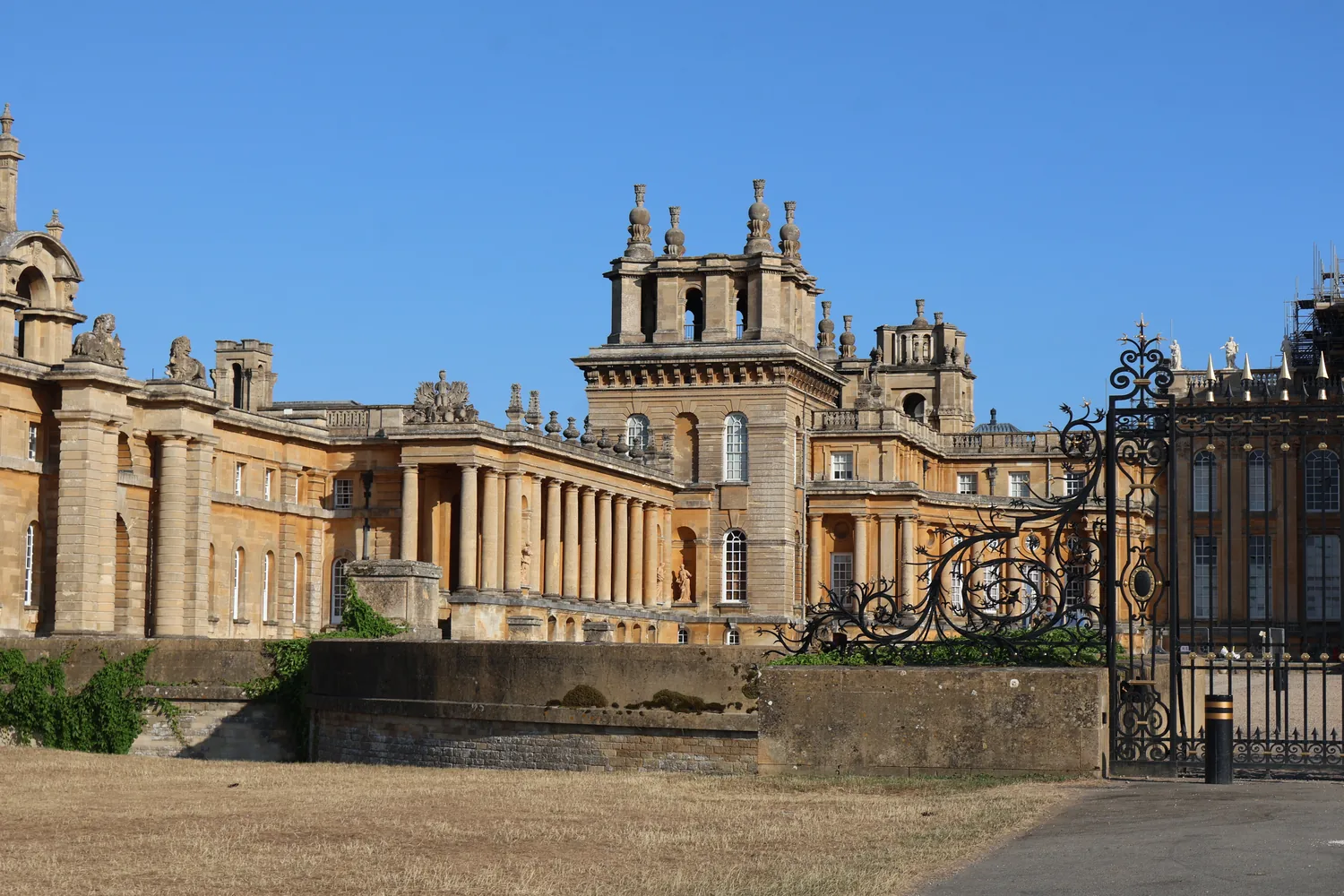
Write one literal observation beside each frame before adding any story. The Blenheim image shows pale stone, a clear sky and the scale of the façade. That is a usable beginning. It does not establish the temperature, the time spent inside or which route was walked afterwards. Keeping the first notes factual makes the later writing easier to trust.
Separate memory from information
Add remembered details only when you are comfortable that they belong to the visit: a delay, a conversation, the reason you chose a route or a particular impression. If you cannot remember, leave a gap instead of replacing it with a generic travel feeling. A journal can be concise without being incomplete in a misleading way.
Research has a different role. It can explain a building or help a future visitor plan a route, but it should not become evidence that you took that route yourself. Keep practical guidance in a clearly described section and use current official sources for opening, access or booking advice. This lets a diary also be useful without turning it into an invented account of activities.
Give the text a line to follow
Choose a simple thread: a walk towards water, a change in weather or a decision to stay in one place longer. Order the images and paragraphs around that thread. A chronological list of every arrival is not the only way to tell the day, especially when some stops contributed little to the experience.
Use the photographs to move between scale and detail. A wide view can establish the place, while a small texture gives the reader something specific to see. Keep transitions connected to what happened or what the frame shows. If two paragraphs can be swapped without changing anything, decide whether you are writing a gallery caption collection or a story with a direction.
Check the claims before sharing
Read every sentence that uses a date, location, distance or named business. Confirm it from your records or a reliable source, and remove precision you cannot support. A destination folder is useful evidence for a region, but may not confirm an exact viewpoint. Captions should state no more than you know.
Then check the voice. Keep personal reactions that are actually yours and remove broad praise that could describe any trip. A short account of choosing the garden over another interior can say more than a paragraph calling everything beautiful. End when the day’s thread is complete. The journal’s value lies in the observations and decisions it preserves, including the small ones that would otherwise disappear.
A few useful answers
Can I write a journal long after the trip?
Yes. Use photographs and reliable notes as prompts, while keeping uncertain memories out of factual claims.
Should practical advice be mixed into the diary?
It can sit alongside the diary when it is clearly presented as researched guidance and does not imply activities you did not experience.
← More from the journal