Organise a travel photo archive you can use again
Keep the full record intact and make the useful pictures easy to find.
A travel photo archive should let you find a picture without recreating the entire trip. Keep the original files, organise them with a small number of reliable labels and separate the selected versions from the full collection. The aim is a structure you will maintain, not a complicated system that only works on the first evening.
Keep the originals in a clear home
Start with a trip folder named from information you can verify, such as the year and destination. Inside it, keep the original files together. Do not rename every image in a hurry or move only the pictures you currently like; an overlooked frame may become useful when writing the diary later.
Retain the original filename as a reference even when you give an exported version a descriptive name. If the file’s date is uncertain, label the folder without claiming an exact day. A copied file, edited version or message attachment can carry a date that describes handling rather than the moment of photography. Write what you know and leave uncertainty visible in your private notes.
Separate selections from edits
Make a small selection folder for images you might use and a separate export folder for finished copies. This keeps an adjusted web image from being mistaken for the only surviving version. Give exports simple descriptive names that make sense outside the editing session, such as a place and a subject.
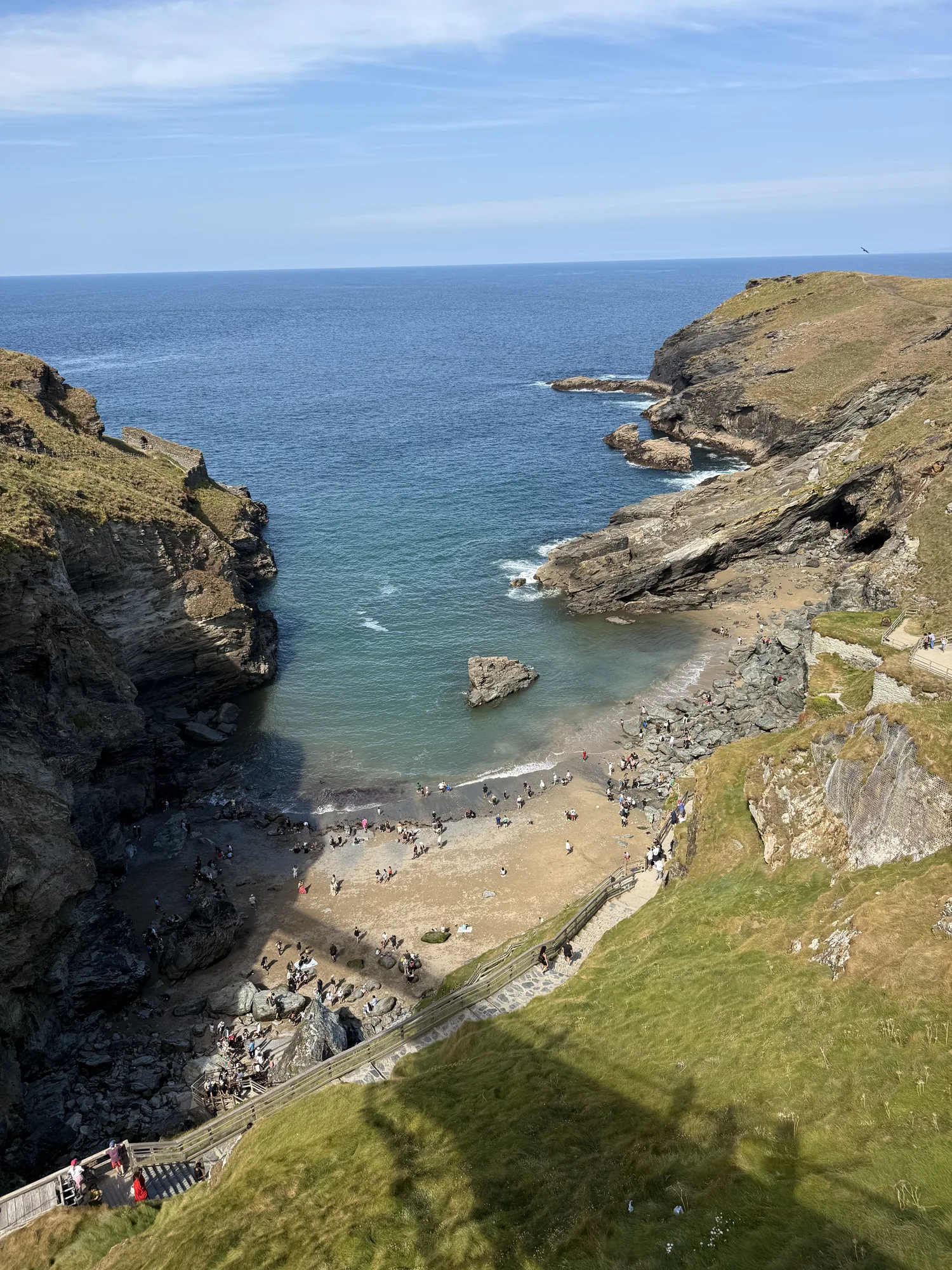
Avoid names that promise more than the photograph confirms. A Welsh mountain lake can be labelled broadly until its exact location is verified. A confident but wrong place name spreads into captions and article text quickly. Keep a short note for unresolved locations so you know which frames need checking before publication.
Record the connection between files
Use a plain text list or spreadsheet to connect each published export with its original path, caption and any location evidence. You do not need a specialised archive application for this. A few fields used consistently are easier to trust than many fields filled with guesses.
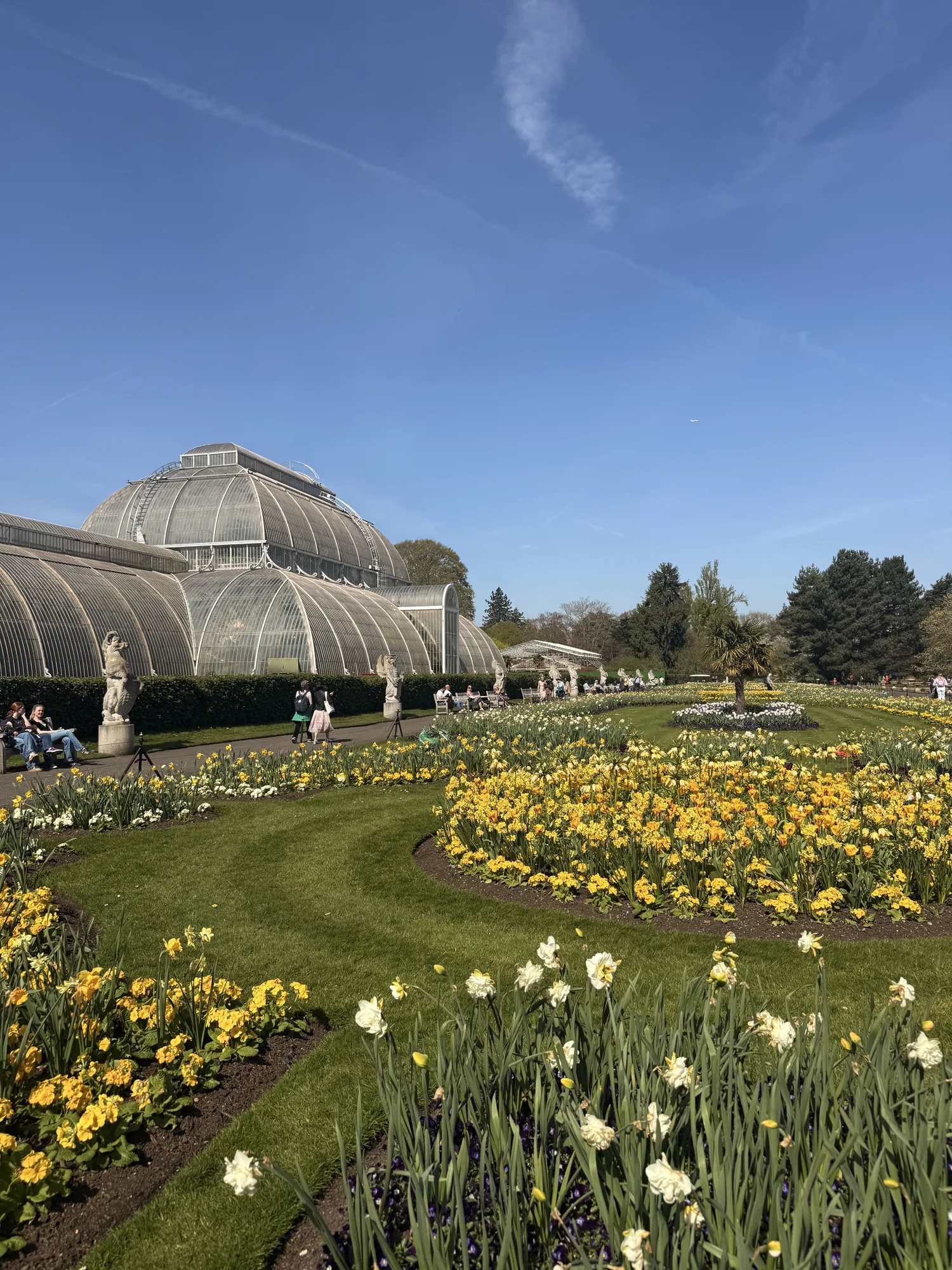
For example, the Kew cover can be described from the visible Palm House and garden scene. The source record should say where the original file lives; the public caption can describe the subject. Keep private travel details, documents and identifiable people outside a public export set unless you have a clear reason and permission to include them.
Check the archive before deleting anything
Keep copies in more than one place and confirm that you can open a few files from the additional copy. A folder name that appears in a backup list is less useful than a file you have actually checked. Preserve the originals before removing duplicates or clearing a device.
When selecting duplicates, compare the files rather than relying only on a similar name. A small compressed copy and a full original may depict the same scene while serving different purposes. Review the archive after the trip with the diary in mind: add a reliable place note, choose a smaller set and leave the rest intact. A useful archive reduces the effort of returning to a journey without requiring you to finish every editing decision immediately.
A few useful answers
Should I rename all my original photos?
A trip-level folder and retained original filenames are a manageable start. Use descriptive names for exports and preserve the connection to the originals.
What if I cannot identify an exact location?
Use a broader accurate label and mark the uncertainty in private notes. Verify the place before publishing a precise caption.
← More from the journal